Medicinal Herbal Gardens of Mysore (2026): Ayush Conservatories & Living Pharmacy
Recognizing the critical need to preserve vanishing wild medicinal flora from over-harvesting, Mysuru has developed extensive botanical germplasm banks. Here, botanists and Ayurvedic physicians cultivate living specimens of Ashwagandha, Shatavari, Brahmi, Guggulu, and the legendary Sarpagandha (Rauvolfia serpentina).
Educational labels detail each plant’s botanical classification, classical Sanskrit pharmacology, active alkaloid compounds, and therapeutic applications in traditional healing.
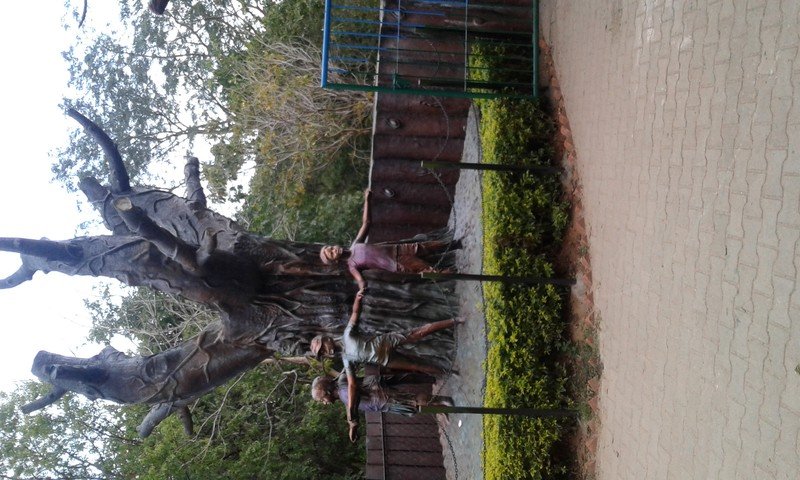
AYUSH Medicinal Plant Conservatory (Lingambudhi)
Features themed botanical sections: Charaka Samhita herbs, respiratory tonics, aromatic essential plants, and rare tree species like red sanders and white sandalwood.
Frequently Asked Questions
Can university researchers and students request plant cuttings for research?
Yes, academic botanical scholars can obtain verified tissue samples and herbarium specimens by submitting formal institutional research requests to the AYUSH department.
How We Researched & Field-Audited This Guide
At Mysore Mysuru, we enforce zero third-party outsourcing and zero AI-generated guesswork. Every entry, route, tariff, and timing in this dossier was physically audited in Mysuru:
- Physical On-Site Inspection: Verified operating counters, gate queues, parking tariffs, and photography permissions.
- Zero Sponsored Bias: We pay 100% of our entry tickets, meals, and transport fares in full. No commercial brand can buy inclusion.
- Official Gazette Alignment: Cross-referenced with the Archaeological Survey of India (ASI), Mysuru District Administration, Palace Board, and KSRTC transit notifications.
Explore More Field Guides
Handpicked stories in Nature