Mysore Weather by Month: Year-Round Climate, Temperature, Rainfall & Best Season to Visit (2026 Guide)
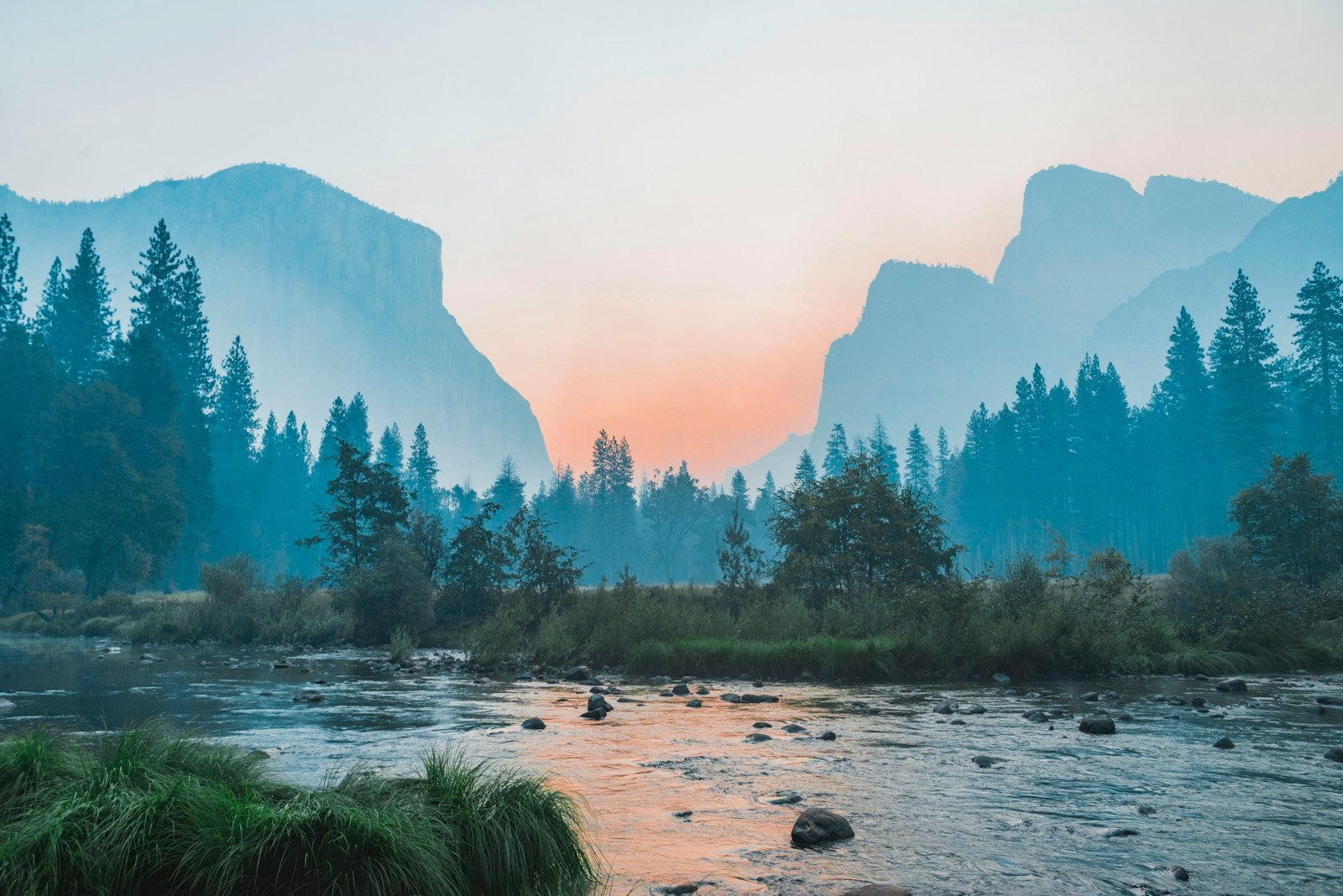
Whether you are planning a weekend heritage escape from Bengaluru, attending the world-famous ten-day Dasara festivities in October, or embarking on an intensive multi-week Ashtanga Yoga retreat in Gokulam, understanding Mysuru’s distinct micro-climate ensures effortless itinerary planning. Below is the authoritative month-by-month weather matrix, seasonal breakdown, and packing guide.
October – March (Winter & Festivals)
April – May (Highs up to 34.5°C)
December – January (Lows down to 16.0°C)
798 mm across 54 rainy days
Month-by-Month Mysore Climate Matrix
This empirical table illustrates long-term meteorological averages compiled from the India Meteorological Department (IMD) observation stations across Mysore district.
| Month | Avg High (°C) | Avg Low (°C) | Rainfall (mm) | Rainy Days | Traveler Recommendation |
|---|---|---|---|---|---|
| January | 29.2°C | 16.1°C | 2 mm | 0 | Outstanding: Cool mornings, clear blue skies |
| February | 31.8°C | 17.5°C | 5 mm | 0 | Prime: Warm days, dry air, ideal for walking tours |
| March | 33.9°C | 20.1°C | 14 mm | 1 | Good: Afternoon heat starts, mornings very pleasant |
| April | 34.8°C | 21.6°C | 68 mm | 4 | Moderate: Warmest month, pre-monsoon evening thunder |
| May | 34.1°C | 21.4°C | 146 mm | 8 | Moderate: Mango showers bring cooling afternoon respite |
| June | 29.8°C | 20.3°C | 78 mm | 7 | Refreshing: Southwest monsoon arrives, lush greenery |
| July | 28.4°C | 19.8°C | 84 mm | 8 | Monsoon: Overcast days, brisk breeze, low crowds |
| August | 28.2°C | 19.6°C | 82 mm | 7 | Monsoon: Intermittent showers, serene countryside |
| September | 29.4°C | 19.8°C | 118 mm | 8 | Superb: Rains begin to taper, flowers blooming |
| October | 29.6°C | 19.7°C | 164 mm | 9 | Peak Season: Dasara grand festival, city illuminated |
| November | 29.1°C | 18.2°C | 52 mm | 4 | Peak Season: Golden sunlight, crisp cool evenings |
| December | 28.5°C | 16.0°C | 12 mm | 1 | Peak Season: Coldest month, sweaters in morning, perfect sights |
The Three Distinct Seasons of Mysore
1. Winter & Festival Season (October to February) – The Golden Window
This is widely celebrated as the best time to visit Mysuru. Daytime highs linger between 28°C and 31°C under radiant blue skies, while night-time temperatures drop gracefully to 16°C to 18°C. Morning walks around Kukkarahalli Lake or the 1,008 steps up Chamundi Hill are enveloped in refreshing mists. The ten-day Mysuru Dasara celebration in October fills the city with traditional torchlight parades, classical music concerts at the Amba Vilas Palace, and 100,000 golden incandescent bulbs illuminating the royal facade every evening.
2. Summer & Pre-Monsoon (March to May) – Jacaranda Blooms & Heritage Walks
While northern and coastal India experience scorching temperatures above 40°C, Mysuru remains protected by its elevation (763m). Maximum temperatures peak around 34°C–35°C in mid-April. Broad boulevards around Gordon House and Krishnaraja Boulevard turn into vibrant carpets of purple Jacaranda, yellow Tabebuia, and scarlet Gulmohar blossoms. Travelers should schedule outdoor sightseeing (Palace interiors, Zoo, and Srirangapatna Fort) between 8:00 AM and 11:30 AM, retreating to air-conditioned museums, silk shopping emporiums, or heritage cafes during peak midday hours.
3. Southwest Monsoon (June to September) – Emerald Countryside & Waterfalls
Unlike the relentless, torrential downpours of the Western Ghats (Coorg or Wayanad), Mysuru sits in a partial rain shadow, receiving gentle, intermittent showers rather than day-long disruptions. Rainfall averages 75–110 mm monthly. The countryside turns intensely green, the Kaveri river surges into full volume at Ranganathittu Bird Sanctuary and Shivanasamudra Falls, and hotel room tariffs drop by 30% to 50%, making this an attractive season for budget travelers and nature photographers.
Mysore Weather vs. Bengaluru Climate: Key Differences
| Factor | Mysore (Mysuru) | Bengaluru (Bangalore) |
|---|---|---|
| Elevation | 763 meters (2,503 ft) | 920 meters (3,018 ft) |
| Summer Temperature | 33°C – 35°C (Slightly warmer afternoons) | 32°C – 34°C |
| Winter Mornings | 15°C – 17°C (Crisp & clear) | 14°C – 16°C |
| Air Quality Index (AQI) | Good (20 – 50 AQI year-round) | Moderate (65 – 130 AQI) |
| Green Cover & Open Space | Uncongested, wide tree-lined radial boulevards | Dense urban heat islands in high-density corridors |
What to Pack for Your Mysuru Trip
- Winter (Oct–Feb): Light cotton apparel for daytime, a cardigan or denim jacket for evening breezes and Chamundi Hill morning climbs, comfortable walking sneakers for palace courtyards, and modest attire for temples (shoulders and knees covered).
- Summer (Mar–May): Breathable linen and loose cottons, UV sunglasses, broad-brim sun hat, refillable water bottle for hydration, and high-SPF sunscreen.
- Monsoon (Jun–Sep): Sturdy folding umbrella, quick-dry lightweight rain poncho, water-resistant footwear with slip-proof grip for wet cobblestones and temple steps.
Frequently Asked Questions About Mysore Weather
Is Mysore too hot to visit in May?
May afternoon temperatures reach 33°C to 35°C, which can feel warm between 12:00 PM and 3:30 PM. However, evenings frequently bring pre-monsoon thunderstorms (“mango showers”) that drop temperatures sharply to a pleasant 22°C. Sightseeing early mornings and evenings remains completely comfortable.
When does it rain the most in Mysore?
Mysore receives the highest rainfall in October (averaging 164 mm) and May (averaging 146 mm). October rains are typically evening downpours caused by the retreating northeast monsoon, leaving daytime festival events largely uninterrupted.
What is the temperature on Chamundi Hill compared to Mysore city?
Chamundi Hill rises 300 meters above the city floor to an elevation of 1,060 meters (3,478 ft). Temperatures at the summit and the Chamundeshwari Temple are typically 2°C to 3.5°C cooler than Mysore city center, with brisk winds and morning mist especially between November and January.
Is winter in Mysore cold enough for woolens?
Heavy thermal wear is never required. However, for open-air auto-rickshaw rides before 8:00 AM, early morning yoga classes, or evening palace illumination viewings in December and January when temperatures touch 16°C, a light sweater, shawl, or windbreaker is strongly recommended.
How We Researched & Field-Audited This Guide
At Mysore Mysuru, we enforce zero third-party outsourcing and zero AI-generated guesswork. Every entry, route, tariff, and timing in this dossier was physically audited in Mysuru:
- Physical On-Site Inspection: Verified operating counters, gate queues, parking tariffs, and photography permissions.
- Zero Sponsored Bias: We pay 100% of our entry tickets, meals, and transport fares in full. No commercial brand can buy inclusion.
- Official Gazette Alignment: Cross-referenced with the Archaeological Survey of India (ASI), Mysuru District Administration, Palace Board, and KSRTC transit notifications.
Explore More Field Guides
Handpicked stories in Field Guides