Somnathpur Chennakeshava Temple (2026 Guide): UNESCO World Heritage, Hoysala Architecture, Timings & Route from Mysore
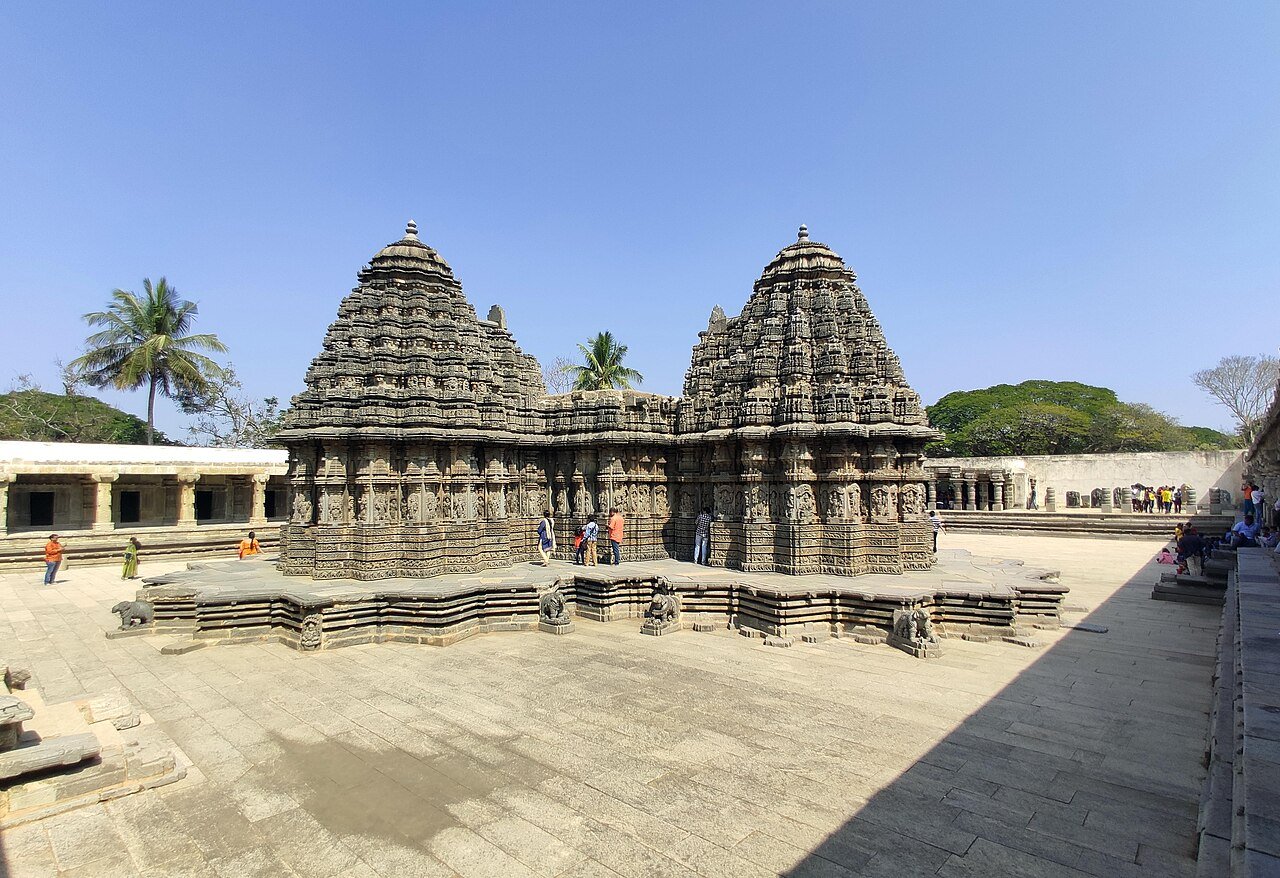
Commissioned in 1268 CE by Soma, a celebrated high-ranking commander (Dandanayaka) under Hoysala King Narasimha III, the Chennakeshava Temple at Somnathpur represents the crowning zenith of Hoysala stone sculpture. Unlike the larger complexes at Belur and Halebidu, Somnathpur is perfectly symmetrical, fully preserved in its original enclosed cloistered courtyard, and showcases soapstone (chloritic schist) filigree carving so intricate it resembles ivory turning. Here is the definitive 2026 visitor manual.
38 km (50 min via Bannur Road)
8:30 AM – 5:30 PM (Daily)
₹25 (Indian) / ₹300 (Foreign)
Trikuta (Triple Sanctum, 16-Point Stellate)
Architectural Anatomy: The Stellate Wonder
The temple is built on an elevated stone plinth (jagati) shaped in a dramatic 16-pointed star. This platform provides visitors with a broad circumambulatory path (pradakshina patha) to inspect the 6 horizontal friezes encircling the exterior base:
| Frieze Layer (Bottom to Top) | Carved Motif | Symbolic & Aesthetic Meaning |
|---|---|---|
| Layer 1 (Base) | Procession of Elephants | Strength, stability, and load-bearing majesty (no two elephants have the same posture). |
| Layer 2 | Charging Horsemen & Cavalry | Speed, martial agility, and royal Hoysala military prowess. |
| Layer 3 | Floral Foliage & Creepers | Lush nature, fertility, and artistic decorative mastery. |
| Layer 4 | Mythological Epic Panels | Sequential stone comic-strips depicting the Ramayana, Mahabharata, and Bhagavata Purana. |
| Layer 5 | Makaras (Mythical Beasts) | Guardians combining crocodile, elephant, boar, and peacock attributes. |
| Layer 6 | Hamsas (Sacred Swans) | Spiritual discernment, intellect, and grace. |
The Three Sanctums (Trikuta Shrine Layout)
Inside the pillared central hall (navaranga), 16 lathe-turned soapstone pillars support intricately carved ceiling rosettes, each featuring concentric blooming lotuses, banana buds, and geometric mandalas. The three sanctums house deities of Vishnu:
- Keshava Shrine (West – Main): The original central idol was vandalized during medieval sultanate invasions; today a consecrated pedestal marks the sanctum.
- Janardhana Shrine (North): A pristine, undamaged 6-foot idol of Lord Janardhana standing with four arms holding Shankha, Chakra, Gada, and Padma.
- Venugopala Shrine (South): An exquisite sculpture of Lord Krishna playing the divine flute (Venu), flanked by dancing gopis, cows lifting their heads in trance, and celestial attendants.
How to Reach Somnathpur from Mysore
- By Private Car / Taxi: Drive along Mysuru–Bannur Road (State Highway 33). Cross Bannur town and follow the signposted right turn to Somanathapura (38 km, 50 minutes). Round-trip taxi charges from Mysore city center average ₹1,800 to ₹2,400.
- By KSRTC Bus: Board a KSRTC bus from Mysore Suburban Bus Stand towards Bannur or Malavalli. From Bannur bus stand, regular auto-rickshaws and local shuttle minibuses connect to Somnathpur (9 km, ₹100–₹150 auto fare).
Frequently Asked Questions: Somnathpur Chennakeshava Temple
Is active worship (puja) conducted at Somnathpur temple?
No. Because the primary consecrated idol of Keshava was damaged in medieval raids, the temple was de-consecrated under Hindu Agama shastras. It is preserved strictly as an Archaeological Survey of India (ASI) national protected monument and UNESCO World Heritage cultural site.
Are certified tourist guides available at the temple?
Yes. ASI-licensed guides are available at the entrance ticket booth. Standard authorized guide fees range between ₹300 and ₹500 for a 45-minute tour in English, Kannada, or Hindi, explaining the hidden sculptor signatures (such as master sculptor Mallitamma).
Can Somnathpur be combined with Talakadu and Shivanasamudra Falls in one day?
Yes. This is the classic “Eastern Mysore Heritage & Waterfalls Circuit.” Start at Somnathpur (8:30 AM), drive to Talakadu sand dunes (11:00 AM), proceed to Shivanasamudra Falls for lunch and viewpoints (1:30 PM), and return to Mysore by 6:00 PM.
How We Researched & Field-Audited This Guide
At Mysore Mysuru, we enforce zero third-party outsourcing and zero AI-generated guesswork. Every entry, route, tariff, and timing in this dossier was physically audited in Mysuru:
- Physical On-Site Inspection: Verified operating counters, gate queues, parking tariffs, and photography permissions.
- Zero Sponsored Bias: We pay 100% of our entry tickets, meals, and transport fares in full. No commercial brand can buy inclusion.
- Official Gazette Alignment: Cross-referenced with the Archaeological Survey of India (ASI), Mysuru District Administration, Palace Board, and KSRTC transit notifications.
Explore More Field Guides
Handpicked stories in Heritage & Culture