The Living Agraharas of Mysore (2026 Heritage Walk): Old City Traditions & Architecture
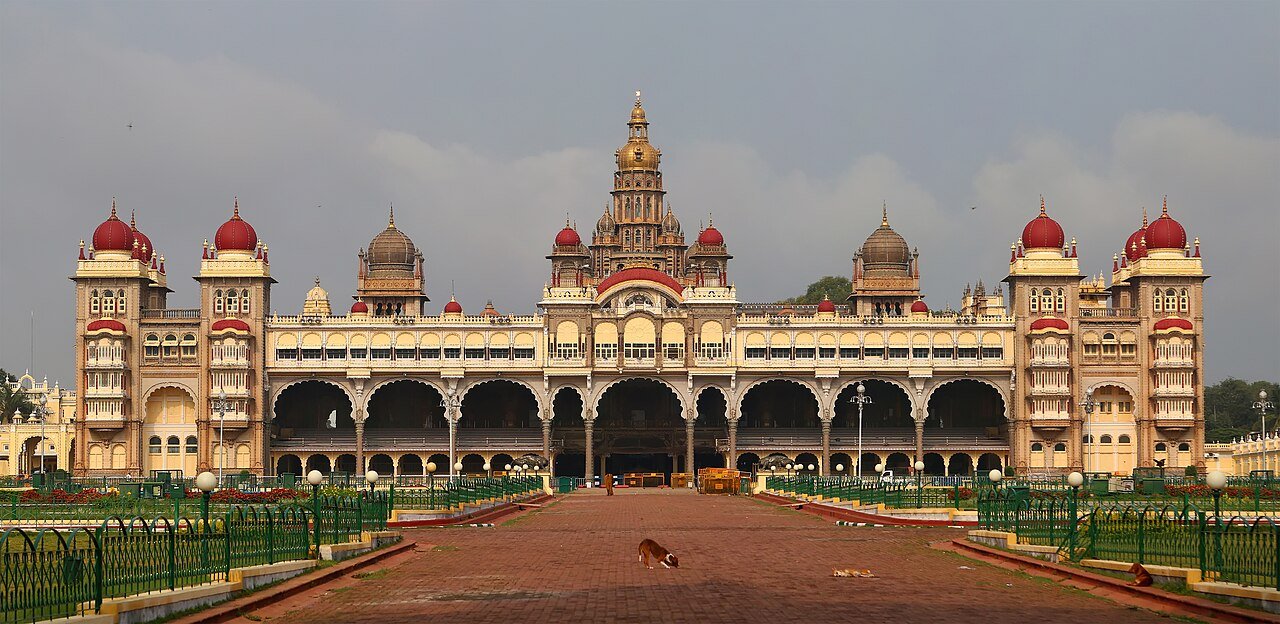
While grand palaces represent the sovereign power of the Wadiyar dynasty, the true cultural heart of old Mysuru beats within its Agraharas. Conceived as integrated religious-scholarly settlements endowed by the royal family, each agrahara was designed with wide central avenues flanked by linear row houses anchored by a neighborhood temple.
Walking these streets at dawn offers an unhurried glimpse into ancient urban rhythms: women drawing intricate symmetrical kolams (rangolis) on freshly washed stone thresholds, priests in silk dhotis heading to morning river ablutions, and street vendors calling out fresh jasmine flowers.
Ramanuja Road & Fort Agrahara Heritage Trail
Observe historic wooden carved doorways (Gajalakshmi lintels), brass door knockers, and inner central open courtyards (thotti mane) designed for rainwater harvesting.
Frequently Asked Questions
Is photography permitted in the agrahara streets?
Street photography of exterior architecture and temple facades is welcomed; however, always ask polite permission before photographing residents on private verandahs.
How We Researched & Field-Audited This Guide
At Mysore Mysuru, we enforce zero third-party outsourcing and zero AI-generated guesswork. Every entry, route, tariff, and timing in this dossier was physically audited in Mysuru:
- Physical On-Site Inspection: Verified operating counters, gate queues, parking tariffs, and photography permissions.
- Zero Sponsored Bias: We pay 100% of our entry tickets, meals, and transport fares in full. No commercial brand can buy inclusion.
- Official Gazette Alignment: Cross-referenced with the Archaeological Survey of India (ASI), Mysuru District Administration, Palace Board, and KSRTC transit notifications.
Explore More Field Guides
Handpicked stories in Heritage & Culture