Notification
Tuesday, November 3, 2026 • Mysuru 28°C • Good AQI • Est. 2026
The Premier Independent City Journal • 288 Field Guides

MYSORE MYSURU

The Premier Independent Journal of Heritage, Gastronomy & Living

MYSORE MYSURU
Royal Lineage Vault • 1399 – 2026 CE 27 Generations of Rulers

The Royal Wadiyar Dynasty: Complete Lineage, Maharajas & Architectural Legacy

For over six centuries, the Wadiyar rulers transformed Mysuru from a feudal Vijayanagara principality beneath Chamundi Hill into modern India's benchmark "Model State". From Raja Wadiyar's 1610 Dasara decree to Nalwadi Krishnaraja Wadiyar's hydro-electric grid and university, explore the complete royal lineage.

Dynasty Founded: 1399 CE by Yaduraya
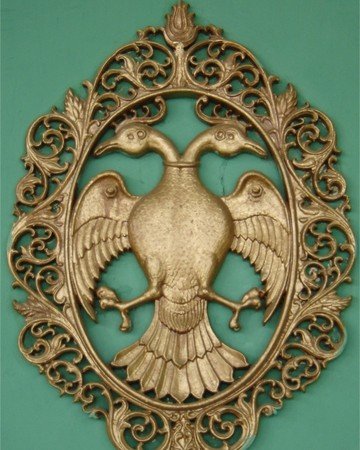
Royal Crest: Gandaberunda (Two-headed eagle)
Capital Seats: Srirangapatna & Mysuru
Key Inventions: Asia's 1st Hydroelectric Grid, KRS Dam, Mysore University
Direct Overview:

The Wadiyar dynasty ruled the Kingdom of Mysore from 1399 until Indian independence in 1947, followed by their democratic integration as Governors and cultural custodians. Founded by Yaduraya Wodeyar, the dynasty is celebrated for establishing the 400-year Dasara festival (1610), founding the first university in an Indian princely state (1916), electrifying Asia's first city (Bengaluru, 1905), and commissioning the world-famous Amba Vilas Palace. The current titular head is Yaduveer Krishnadatta Chamaraja Wadiyar (27th Maharaja).

Total Rulers 27 Generations 1399 CE – Present
Golden Age Nalwadi Era 1902 – 1940 (Modern Model State)
Royal Motto Na Bibheti Kadachana "Never Frightened" (Taittiriya Upanishad)
Present Titular Head Yaduveer Wadiyar 27th Head & MP Mysuru-Kodagu
The Chronological Lineage

Major Rulers & Transformative Eras

Each sovereign contributed distinctive military, civic, legal, and artistic monuments that define contemporary Karnataka.

Royal Gandaberunda Insignia of Yaduraya Wodeyar 1399 CE Gandaberunda Insignia
Kingdom Founding • 1399 CE Reign: 1399 – 1423 CE

1. Yaduraya & Chamaraja Wadiyar I

Vijayanagara feudatories Vijaya and Krishna arrived from Dwarka at Mahishuru. Yaduraya defeated the oppressive usurper Maranayaka, married Princess Devajammanni of the local ruling house, and established the Yadu dynasty beneath sacred Chamundi Hill. He laid the foundation of the royal dynasty and fortified the initial settlement of Puragiri (modern Mysuru).

Key Monument: Original Wooden Fort at Puragiri & Chamundeshwari Temple royal patronage.
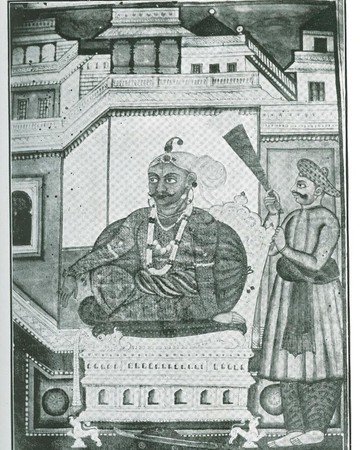
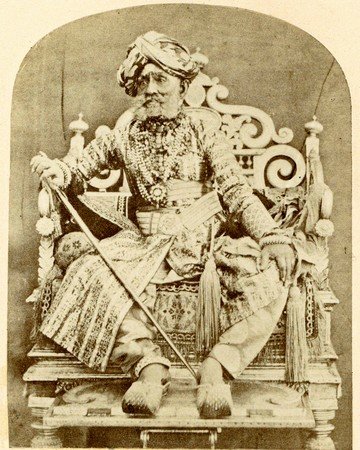
Maharaja Raja Wadiyar I Portrait 1610 CE Raja Wadiyar I
Dasara Inception • 1610 CE Reign: 1578 – 1617 CE

9. Raja Wadiyar I (The State Builder)

Captured the strategic Kaveri island fortress of Srirangapatna from Vijayanagara viceroy Tirumala in 1610 CE. In September 1610, he instituted the state festival of Navaratri / Dasara with royal elephant pageantry, decreeing that it be celebrated in perpetuity. He also expanded territorial boundaries and built the grand temple gopurams across the Kaveri basin.

Key Legacy: Institutionalization of the 400-Year Vijayadashami Jumboo Savari & Srirangapatna capital.
Maharaja Mummadi Krishnaraja Wadiyar III Portrait 1799 CE Mummadi Krishnaraja Wadiyar
Cultural Renaissance • 1799 CE Reign: 1799 – 1868 CE

22. Mummadi Krishnaraja Wadiyar III

Restored to the throne at age five after the fall of Tipu Sultan in the Fourth Anglo-Mysore War (1799). Over a 69-year reign, he relocated the capital from Srirangapatna back to Mysuru, patronized Carnatic music, Yakshagana, traditional Mysore gold-leaf painting, and authored the monumental 1,500-page encyclopedic treatise Sritattvanidhi. Built the Jaganmohan Palace in 1861.

Key Legacy: Jaganmohan Palace, Sritattvanidhi manuscript, and Mysore Painting revival.
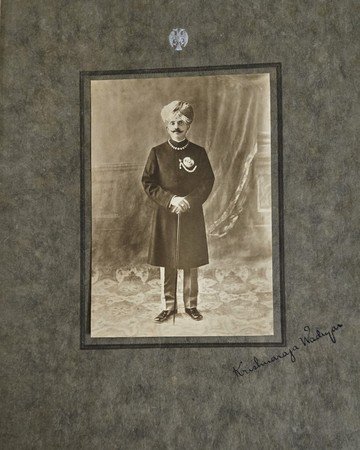
Maharaja Nalwadi Krishnaraja Wadiyar IV Official Durbar Portrait Nalwadi Krishnaraja Wadiyar
Rajarshi (Saint-King) • 1902 CE Reign: 1902 – 1940 CE

24. Nalwadi Krishnaraja Wadiyar IV (The Visionary)

Celebrated by Mahatma Gandhi as a 'Rajarshi' (Philosopher King). Alongside visionary Diwans Sir M. Visvesvaraya and Sir Mirza Ismail, he revolutionized modern India: founded the University of Mysore (1916), Krishna Raja Sagara Dam & Brindavan Gardens (1932), Mysore Medical College (1924), illuminated Bengaluru in 1905 (Asia's 1st electrified city), established the Mysore Representative Assembly, and built Asia's first hydroelectric plant at Shivanasamudra.

Key Legacy: Asia's 1st Hydroelectric Grid, KRS Dam, University of Mysore, IISc land endowment, Amba Vilas reconstruction.
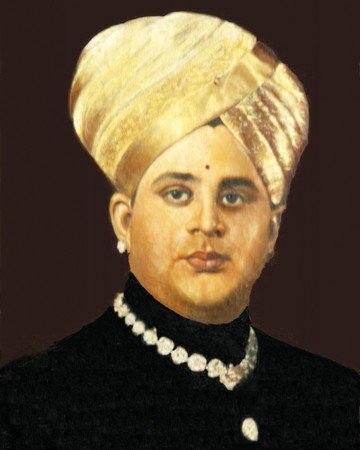
Maharaja Jayachamarajendra Wadiyar Official Court Portrait Jayachamarajendra Wadiyar
Philosopher King & Music Patron Reign: 1940 – 1974 CE

25. Jayachamarajendra Wadiyar

The 25th and final ruling Maharaja of Mysore. An eminent philosopher of Advaita Vedanta, fellow of Trinity College London, and composer of 94 revered Carnatic kritis under the mudra 'Sri Vidya'. He signed the Instrument of Accession in 1947, becoming the first Governor (Rajpramukh) of Mysore State, and personally funded global recordings of composer Nikolai Medtner and the London Philharmonia Orchestra. Donated Cheluvamba Mansion to CSIR-CFTRI.

Key Legacy: Democratic Transition to Indian Union, 94 Carnatic Kritis, Dattatreya philosophy treatise, CFTRI palace donation.
Yaduveer Krishnadatta Chamaraja Wadiyar Mysore Yaduveer Wadiyar
Living Heritage • 2026 Titular Head (2015 – Present)

27. Yaduveer Krishnadatta Chamaraja Wadiyar

The 27th titular head of the Wadiyar dynasty and Member of Parliament for Mysuru-Kodagu. Educated in English and Economics at UMass Amherst, he actively champions lake conservation (Kukkarahalli and Karanji), green urban mobility, architectural restoration of heritage mansions, and the global cultural patronage of the royal city.

Key Legacy: Sustainable Heritage Preservation, Lake Eco-Restoration & Cultural Diplomacy.

Pioneering Reforms of the Mysore Kingdom

Milestones where Mysore led India and the Asian continent in modern democratic, industrial, and social governance.

Year Reform / Institution Reigning Monarch Historical Significance
1610 Dasara Festival Inception Raja Wadiyar I Instituted the 400-year annual state festival of arts, culture, and royal elephant procession.
1881 Mysore Representative Assembly Chamarajendra Wadiyar X India's first democratic legislative body with elected peasant and merchant representation.
1902 Shivanasamudra Hydroelectric Plant Nalwadi Krishnaraja Wadiyar Asia's first major hydroelectric generating station; powered Kolar Gold Fields via 147-km high-voltage line.
1905 Bengaluru Street Electrification Nalwadi Krishnaraja Wadiyar Bengaluru became the first city in Asia to have electric street lighting.
1911 Indian Institute of Science (IISc) Nalwadi & Maharani Kempananjammanni Granted 371 acres of prime Bengaluru land and annual recurring grants to realize Jamsetji Tata's vision.
1916 University of Mysore Nalwadi Krishnaraja Wadiyar First university in an Indian princely state and sixth oldest in all of India.
1932 Krishna Raja Sagara Dam (KRS) Nalwadi Krishnaraja Wadiyar Engineered by Sir M. Visvesvaraya; created Asia's largest reservoir securing drinking water and farming for millions.

Frequently Asked Questions

Who was the greatest Maharaja of Mysore? +
Nalwadi Krishnaraja Wadiyar IV (reigned 1902–1940) is widely regarded as the greatest modern ruler of Mysore. Recognized by Mahatma Gandhi as 'Rajarshi' (Saint-King) and described by British parliamentarians as head of the most progressive state in the Empire, he built the KRS Dam, University of Mysore, IISc campus endowment, Asia's first hydroelectric grid, and established free primary education.
What is the royal symbol of the Mysore Wadiyar dynasty? +
The royal emblem is the Gandaberunda, a mythical two-headed eagle possessing immense magical strength, capable of lifting elephants in its talons. It has been adopted by the Government of Karnataka as the state's official state emblem.
Does the royal family still live in Mysore Palace? +
Yes. While the monumental public halls (Durbar Hall, Kalyana Mantapa) are maintained as a heritage museum by the Mysore Palace Board, the royal family resides in the private southern residential wing of Amba Vilas Palace.