Agrahara & Fort Mohalla (2026): Walking Mysore’s Historic Brahmin Enclave & Old City Heart
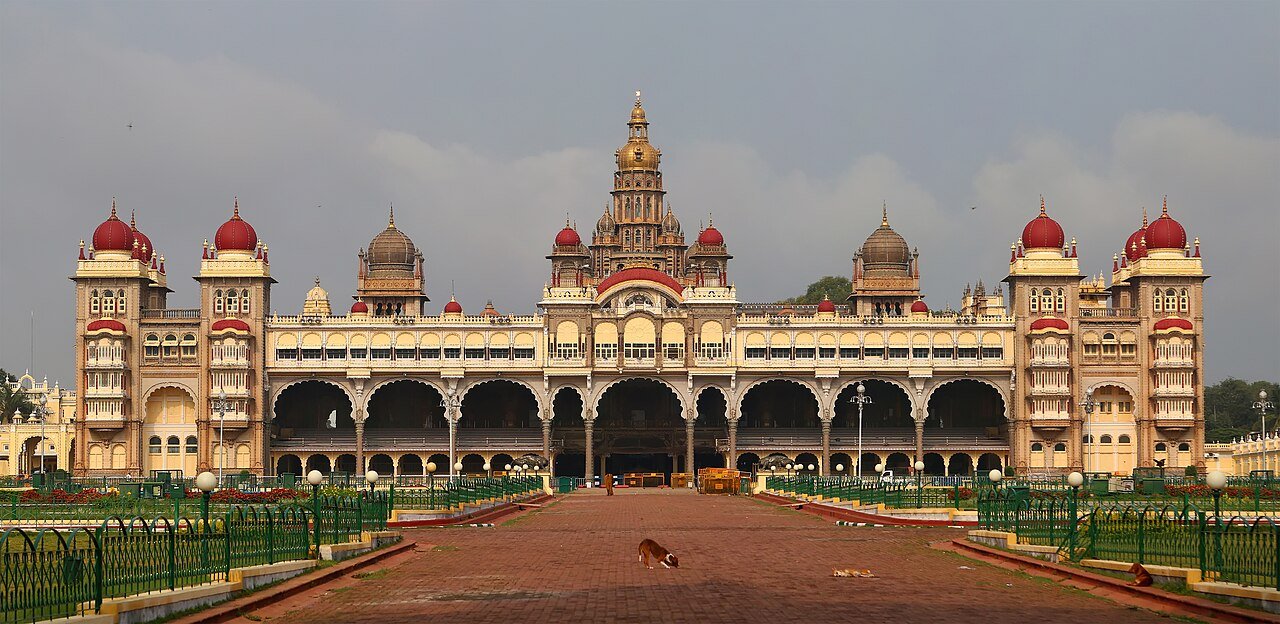
To experience Mysuru before the advent of concrete and asphalt, step into Fort Mohalla and the surrounding agraharas (traditional Brahmin settlements).
Built in continuous alignment with the southern gates of the Amba Vilas Palace, these neighborhoods preserved the Sanskrit scholars, temple priests, court musicians, and Ayurvedic physicians who formed the spiritual and cultural backbone of the Wadiyar dynasty.

Agrahara Living Heritage Corridor
Traditional colonnaded verandas (jagali), Mangalore-tiled roofs, brass water cisterns, and Vedic pathashalas active since the 1870s.
Architectural Anatomy: The Thotti Mane and Jagali
The defining architectural feature of Agrahara homes is the ‘Thotti Mane’ (courtyard home). Facades open with a raised stone-paved veranda called a ‘jagali’, where residents sat to read newspapers, discuss royal proclamations, and greet neighbors.
Behind the heavy carved teakwood front doors lies a central sunken courtyard open to the sky, framed by smooth rosewood pillars that funnel rain into domestic collection channels and illuminate interior prayer rooms without artificial lighting.
Frequently Asked Questions
Can tourists walk freely through Agrahara lanes?
Yes, Agrahara is a public residential neighborhood. Visitors are welcomed with genuine hospitality, provided they dress respectfully and respect residential privacy.
Where can I find traditional breakfast near Agrahara?
Agrahara Circle hosts several classic heritage darshinis serving hot thatte idli, crispy uddina vada, and filter coffee brewed with chicory-blended beans.
How We Researched & Field-Audited This Guide
At Mysore Mysuru, we enforce zero third-party outsourcing and zero AI-generated guesswork. Every entry, route, tariff, and timing in this dossier was physically audited in Mysuru:
- Physical On-Site Inspection: Verified operating counters, gate queues, parking tariffs, and photography permissions.
- Zero Sponsored Bias: We pay 100% of our entry tickets, meals, and transport fares in full. No commercial brand can buy inclusion.
- Official Gazette Alignment: Cross-referenced with the Archaeological Survey of India (ASI), Mysuru District Administration, Palace Board, and KSRTC transit notifications.
Explore More Field Guides
Handpicked stories in Heritage & Culture