Mandi Mohalla & Tilak Nagar (2026): Inside Mysore’s Historic Wholesale Markets & Artisan Lanes
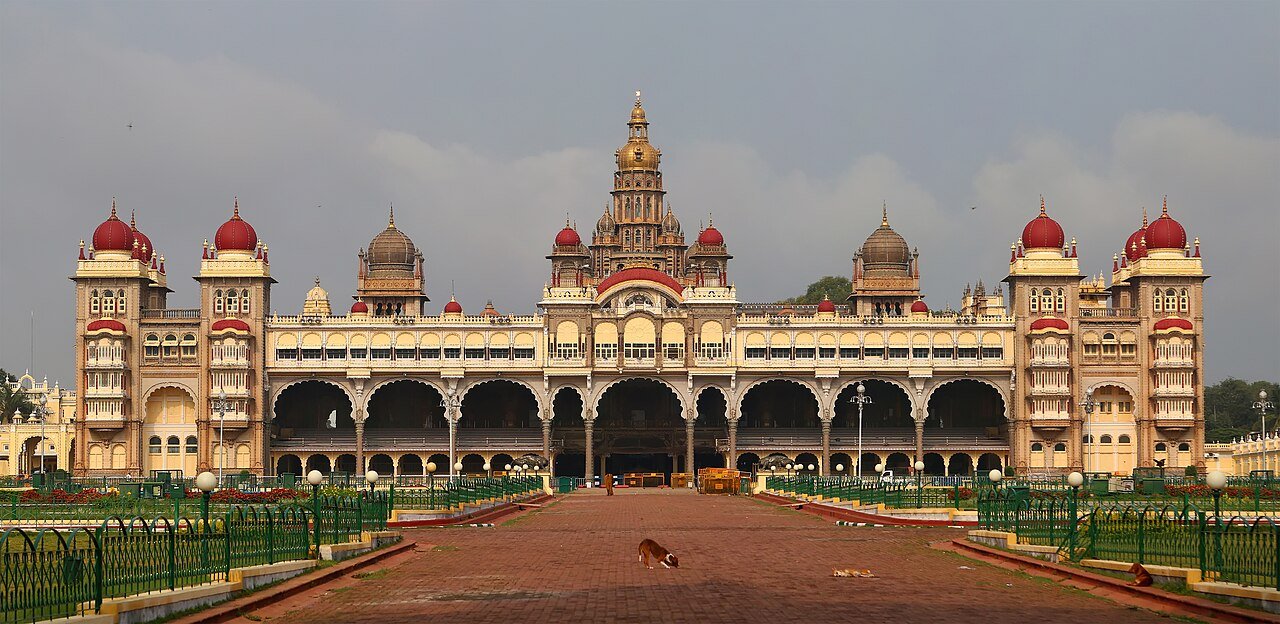
While Amba Vilas Palace and Devaraja Market attract tour buses, Mandi Mohalla represents the working commercial engine of old Mysuru.
Laid out during the early 19th century as a hub for regional farmers, merchants, and guild craftsmen, Mandi Mohalla and adjacent Tilak Nagar remain an authentic sensory maze of wholesale grain sacks, aromatic biryani kitchens, and master carpenters.

Mandi Mohalla Trading Bazaars
Wholesale grain traders, jaggery merchants, dry spice warehouses, and traditional furniture ateliers.
Artisan Guilds: Rosewood Inlay and Furniture Carvers
Tucked away in the narrow cross-lanes of Mandi Mohalla are small workshops where master woodworkers saw, carve, and inlay fragrant rosewood and white cedar.
Here, skilled craftsmen fit mother-of-pearl and synthetic bone into intricate Dasara procession panels with handheld chisels, preserving a GI-tagged legacy passed down through centuries.
Frequently Asked Questions
Is Mandi Mohalla easy to navigate by car?
No, streets in Mandi Mohalla are narrow with active commercial loading and unloading. It is best navigated on foot or via auto-rickshaw.
What local foods are famous in Mandi Mohalla?
The district is renowned for old-school Mysore-style mutton biryanis, grilled seekh kebabs, khova naan, and traditional Irani chai.
How We Researched & Field-Audited This Guide
At Mysore Mysuru, we enforce zero third-party outsourcing and zero AI-generated guesswork. Every entry, route, tariff, and timing in this dossier was physically audited in Mysuru:
- Physical On-Site Inspection: Verified operating counters, gate queues, parking tariffs, and photography permissions.
- Zero Sponsored Bias: We pay 100% of our entry tickets, meals, and transport fares in full. No commercial brand can buy inclusion.
- Official Gazette Alignment: Cross-referenced with the Archaeological Survey of India (ASI), Mysuru District Administration, Palace Board, and KSRTC transit notifications.
Explore More Field Guides
Handpicked stories in Heritage & Culture