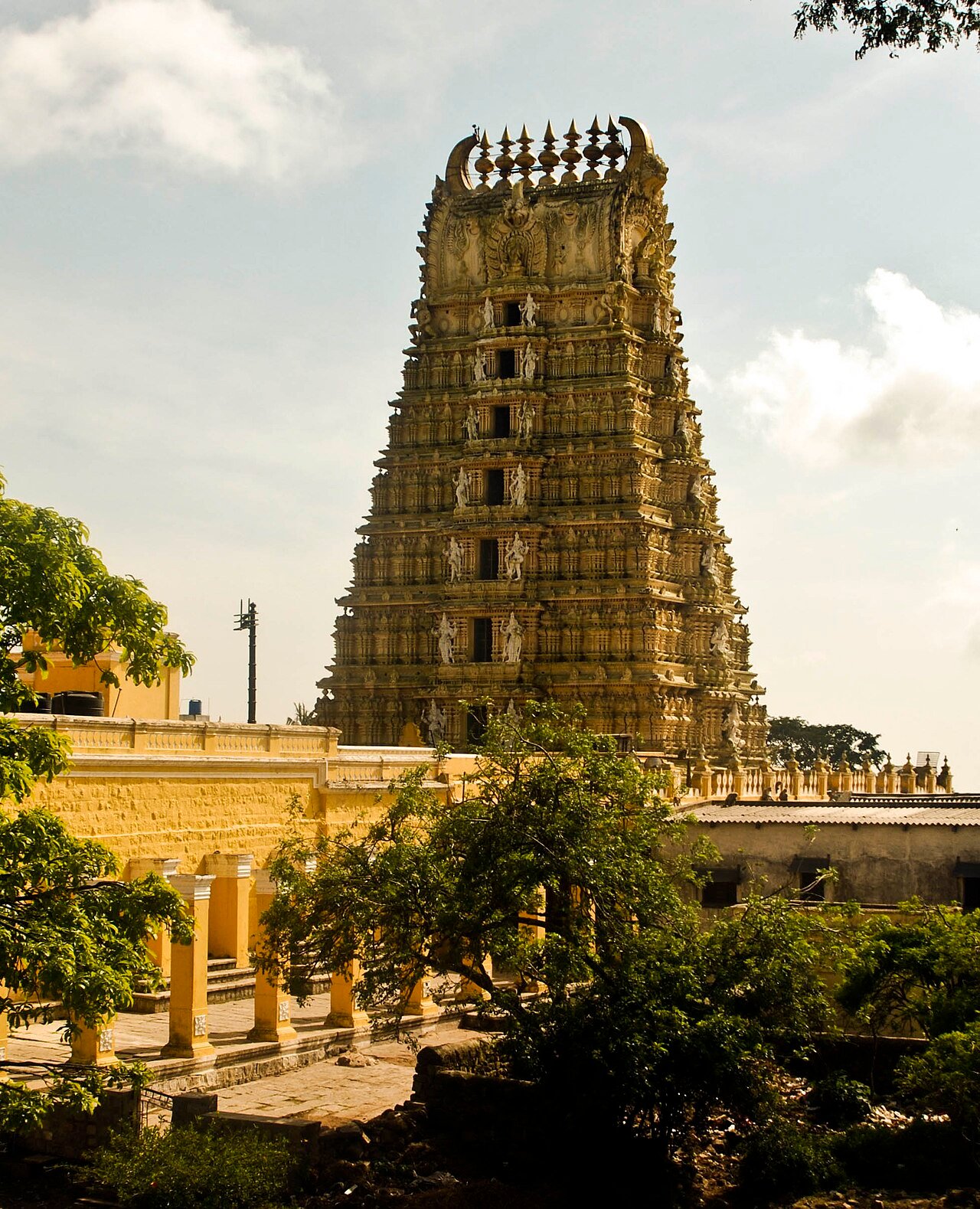
Venugopala Swamy Temple KRS (2026): The Resurrected Hoysala Temple on the Lake
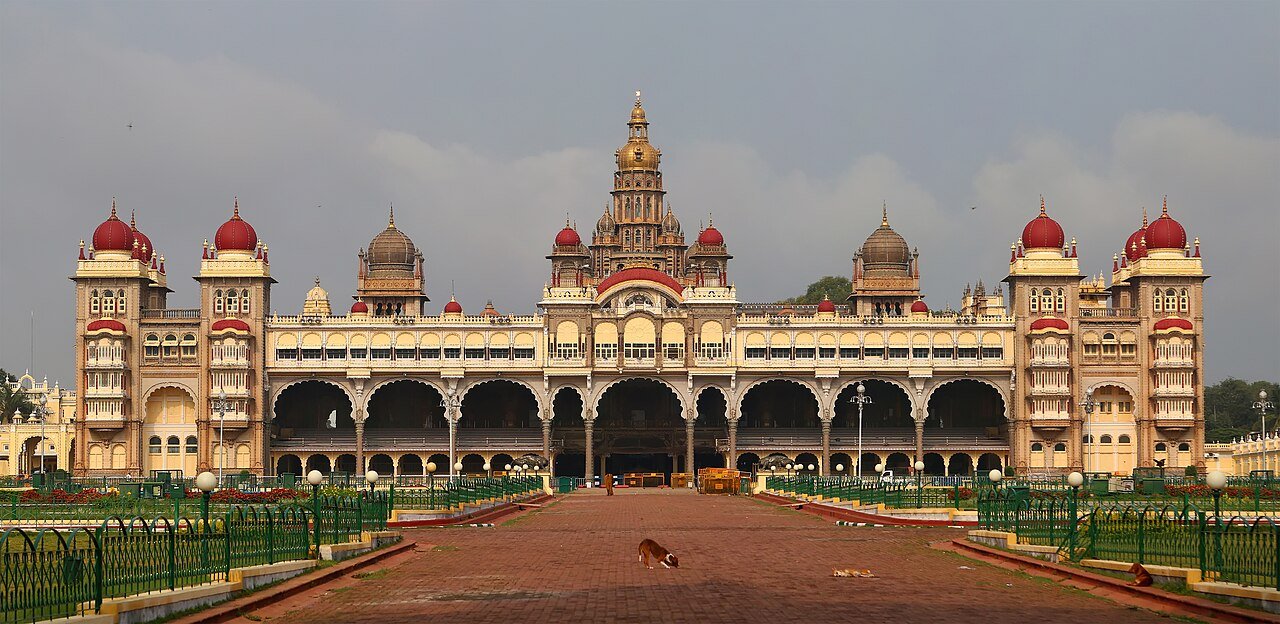
Rising like an ancient stone fortress from the tranquil blue waters of the Kaveri backwaters, Venugopala Swamy Temple is widely regarded as one of modern India’s most extraordinary architectural salvage and conservation triumphs.
When the Krishna Raja Sagara dam was filled in 1930, the historic village of Kannambadi and its centuries-old Hoysala temple were submerged beneath 80 feet of water. For decades, the temple’s stone pinnacle (gopuram) would only emerge during extreme summer droughts.
Between 2003 and 2011, heritage architects meticulously numbered all 16,000 soapstone blocks, moved them 1 km inland to a manicured lakeside peninsula, and reconstructed the temple with 100% architectural fidelity.
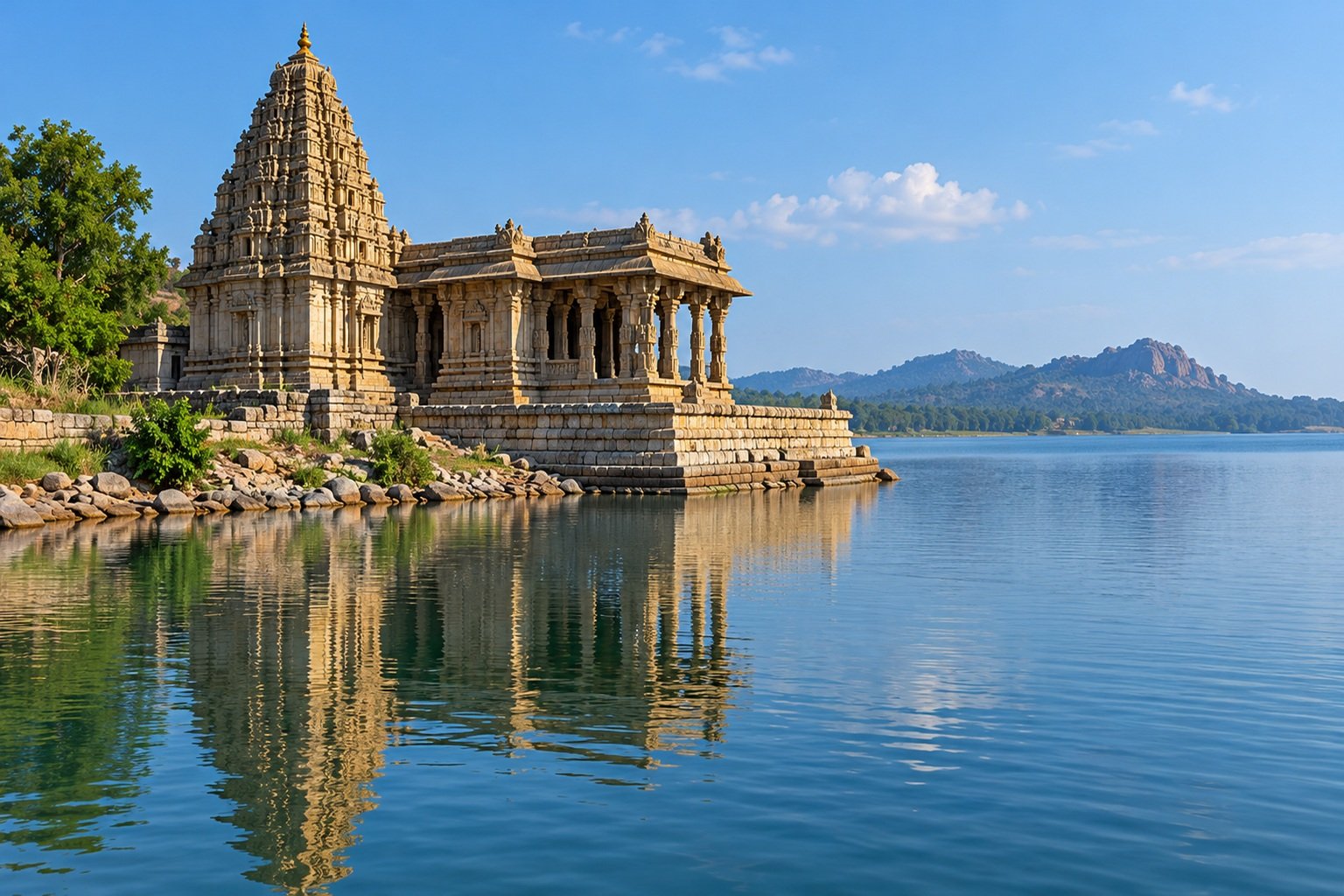
Venugopala Swamy Lakeside Peninsula
Surrounded on three sides by water, the temple is enclosed by a stone prakara and manicured green lawns, creating one of Karnataka’s most serene sunset spots.
Frequently Asked Questions
Can we take boat rides near Venugopala Swamy Temple?
Informal motorboat rides and speedboats operate from the nearby shoreline jetty during afternoon hours depending on reservoir water levels.
How We Researched & Field-Audited This Guide
At Mysore Mysuru, we enforce zero third-party outsourcing and zero AI-generated guesswork. Every entry, route, tariff, and timing in this dossier was physically audited in Mysuru:
- Physical On-Site Inspection: Verified operating counters, gate queues, parking tariffs, and photography permissions.
- Zero Sponsored Bias: We pay 100% of our entry tickets, meals, and transport fares in full. No commercial brand can buy inclusion.
- Official Gazette Alignment: Cross-referenced with the Archaeological Survey of India (ASI), Mysuru District Administration, Palace Board, and KSRTC transit notifications.
Explore More Field Guides
Handpicked stories in Heritage & Culture