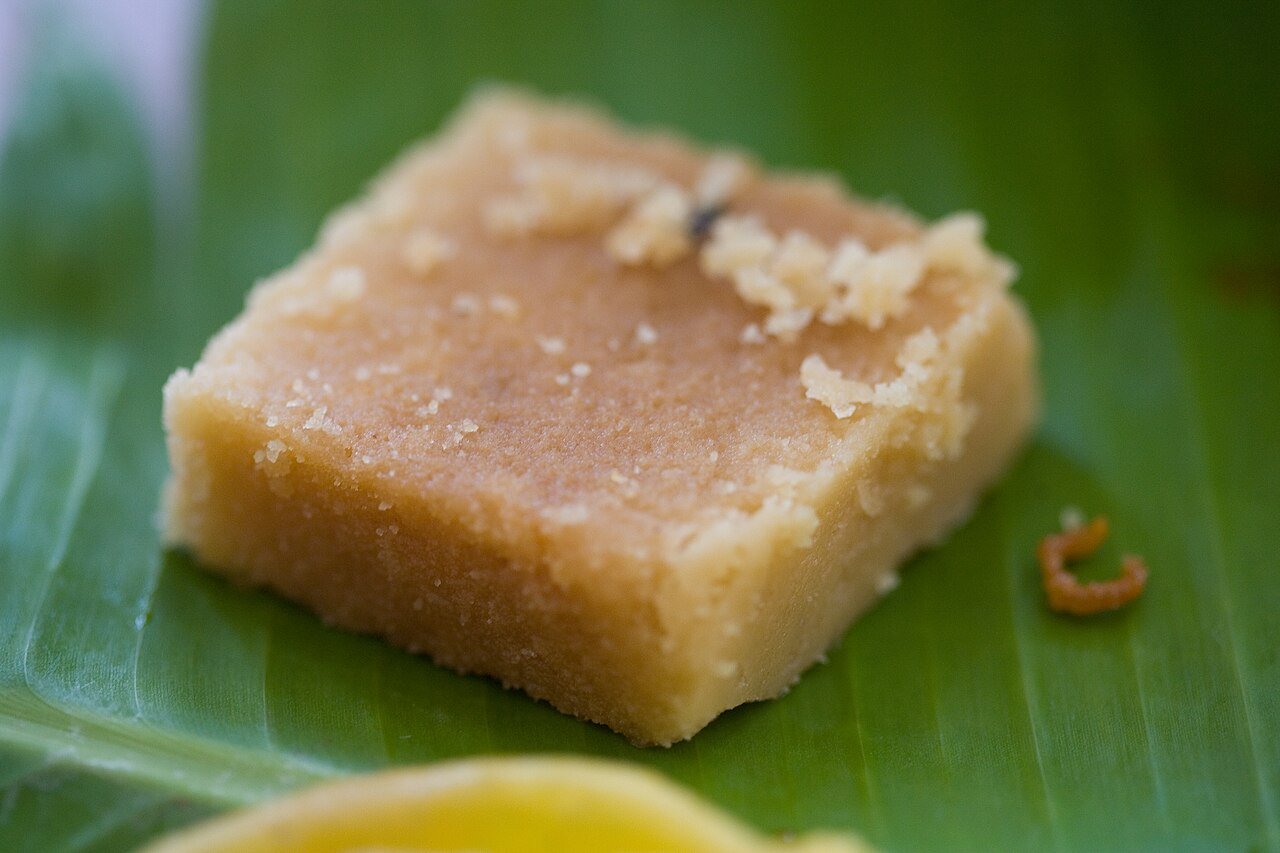
Mysore Rice Specialties (2026): Shavige Bath, Bisi Bele Bath & Vangi Bath Guide
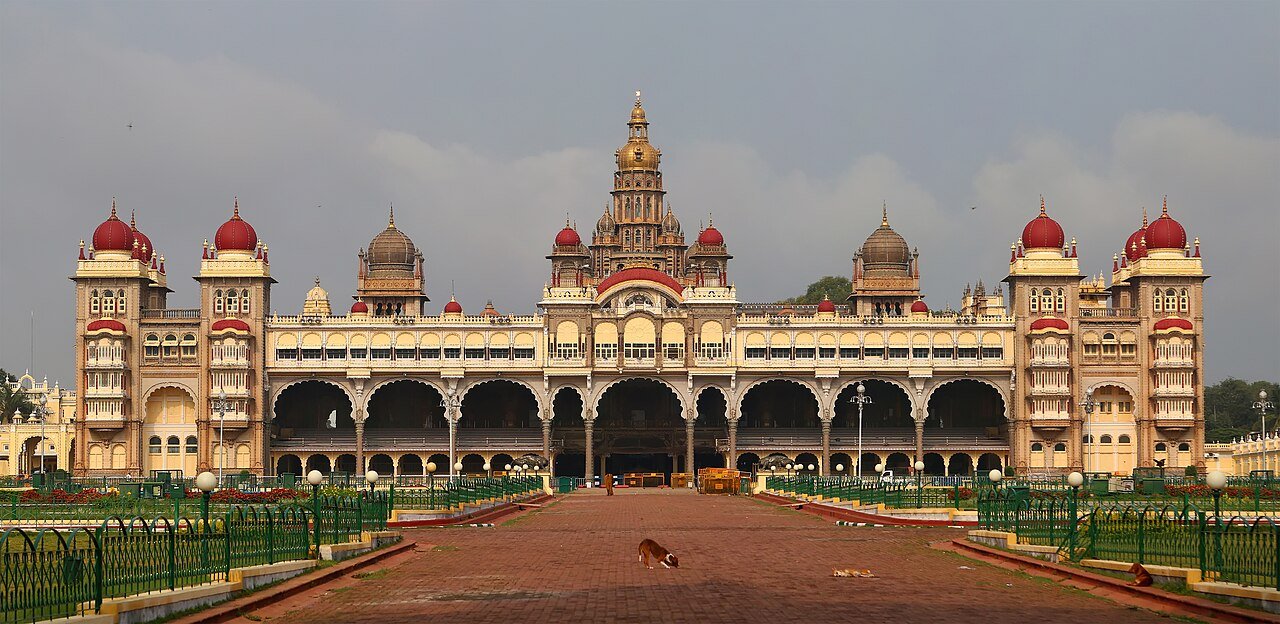
While dosas dominate tourist conversations, the authentic heart of Mysurean home cooking revolves around its elaborate spiced rice dishes (Chitranna, Bisi Bele Bath, and Vangi Bath). In old royal households, these dishes were prepared for court banquets and festive temple celebrations.
The defining signature of Mysore Bisi Bele Bath is its complex spice blend (masala powder) containing marathi moggu (kapok buds), stone flower (dagad phool), cinnamon, and poppy seeds roasted in pure cow ghee.

Nalpak Restaurant (Vontikoppal)
A beloved local landmark for comfort dining. The Bisi Bele Bath arrives swimming in aromatic ghee, studded with tender shallots, carrots, and French beans, crowned with crunchy spiced boondi.
Frequently Asked Questions
What is the difference between Bisi Bele Bath and Khichdi?
Khichdi is mild and comforting, whereas Mysore Bisi Bele Bath is a complex, multi-layered dish cooked with toor dal, tamarind pulp, coconut, jaggery, and over 15 roasted spices.
How We Researched & Field-Audited This Guide
At Mysore Mysuru, we enforce zero third-party outsourcing and zero AI-generated guesswork. Every entry, route, tariff, and timing in this dossier was physically audited in Mysuru:
- Physical On-Site Inspection: Verified operating counters, gate queues, parking tariffs, and photography permissions.
- Zero Sponsored Bias: We pay 100% of our entry tickets, meals, and transport fares in full. No commercial brand can buy inclusion.
- Official Gazette Alignment: Cross-referenced with the Archaeological Survey of India (ASI), Mysuru District Administration, Palace Board, and KSRTC transit notifications.
Explore More Field Guides
Handpicked stories in Food & Dining