Somanathapura Keshava Temple (2026): UNESCO World Heritage Hoysala Art Guide
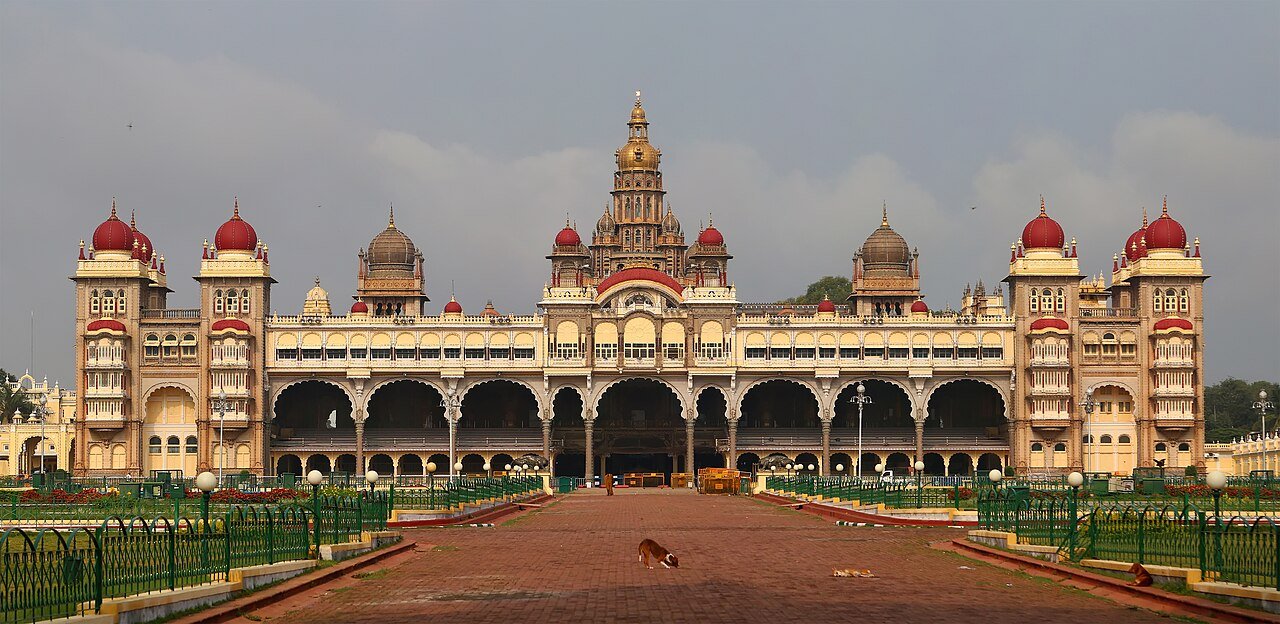
Representing the absolute architectural pinnacle of the Hoysala dynasty, the Chennakesava Temple of Somanathapura stands intact in its original symmetrical perfection. Unlike the temples of Belur and Halebidu which underwent centuries of additions, Somanathapura was completed in a single master campaign in 1268 CE under King Narasimha III.
Resting upon an elevated star-shaped stone plinth (jagati), the temple boasts three vimana towers crowned with sculpted kalashas. Every square inch of the exterior walls is sculpted with horizontal narrative relief friezes detailing caparisoned war elephants, cavalry, charging lions, swans, and mythological epics.
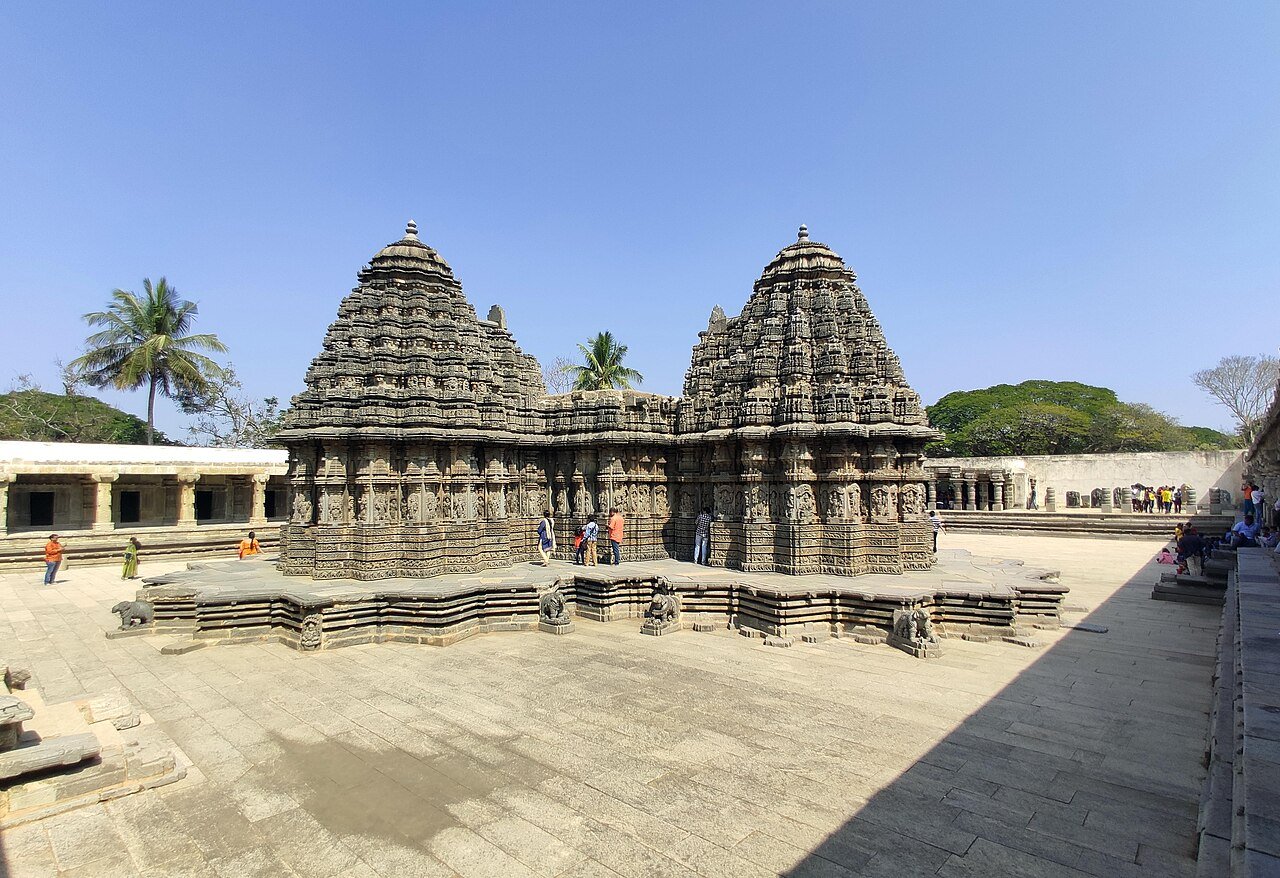
Stellate Plinth & Soapstone Frieze Galleries
Inspect the lower registers of the outer walls; the bottom row features 540 distinct war elephants, no two of which share the same pose or ornamentation.
Frequently Asked Questions
Is active pooja conducted inside Somanathapura temple?
No, because the original sanctum idols were damaged during 14th-century invasions, the temple is preserved as an ASI protected architectural monument rather than an active worship shrine.
How We Researched & Field-Audited This Guide
At Mysore Mysuru, we enforce zero third-party outsourcing and zero AI-generated guesswork. Every entry, route, tariff, and timing in this dossier was physically audited in Mysuru:
- Physical On-Site Inspection: Verified operating counters, gate queues, parking tariffs, and photography permissions.
- Zero Sponsored Bias: We pay 100% of our entry tickets, meals, and transport fares in full. No commercial brand can buy inclusion.
- Official Gazette Alignment: Cross-referenced with the Archaeological Survey of India (ASI), Mysuru District Administration, Palace Board, and KSRTC transit notifications.
Explore More Field Guides
Handpicked stories in Heritage & Culture