Kumbarageri Potters’ Colony Mysore (2026): Terracotta Crafts & Clay Workshops
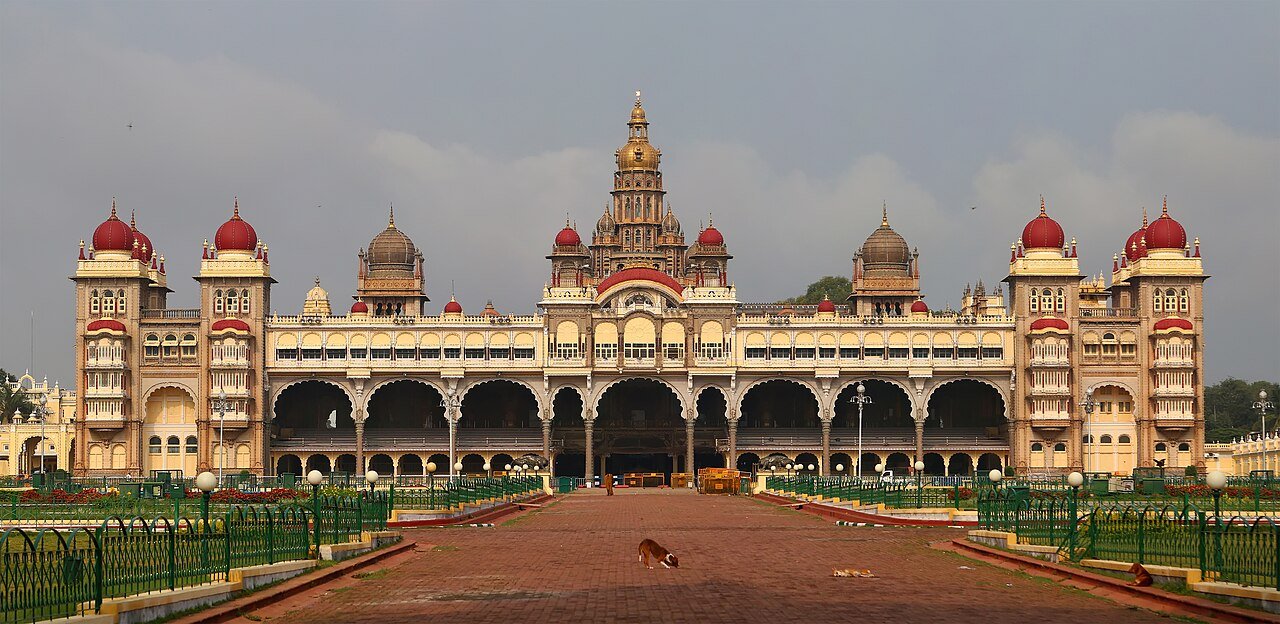
Tucked behind the bustling commercial arterials of Irwin Road lies the serene artisan enclave of Kumbarageri. Here, life revolves around natural clay, kick-wheels, and traditional open-fire wood kilns that have operated continuously since the reign of Tipu Sultan.
Using nutrient-dense clay silt harvested from local lakebeds, potters shape non-toxic, eco-friendly cooking handis, biryani pots, and natural earthenware vessels that impart an alkaline, earthy flavor to cooked food.
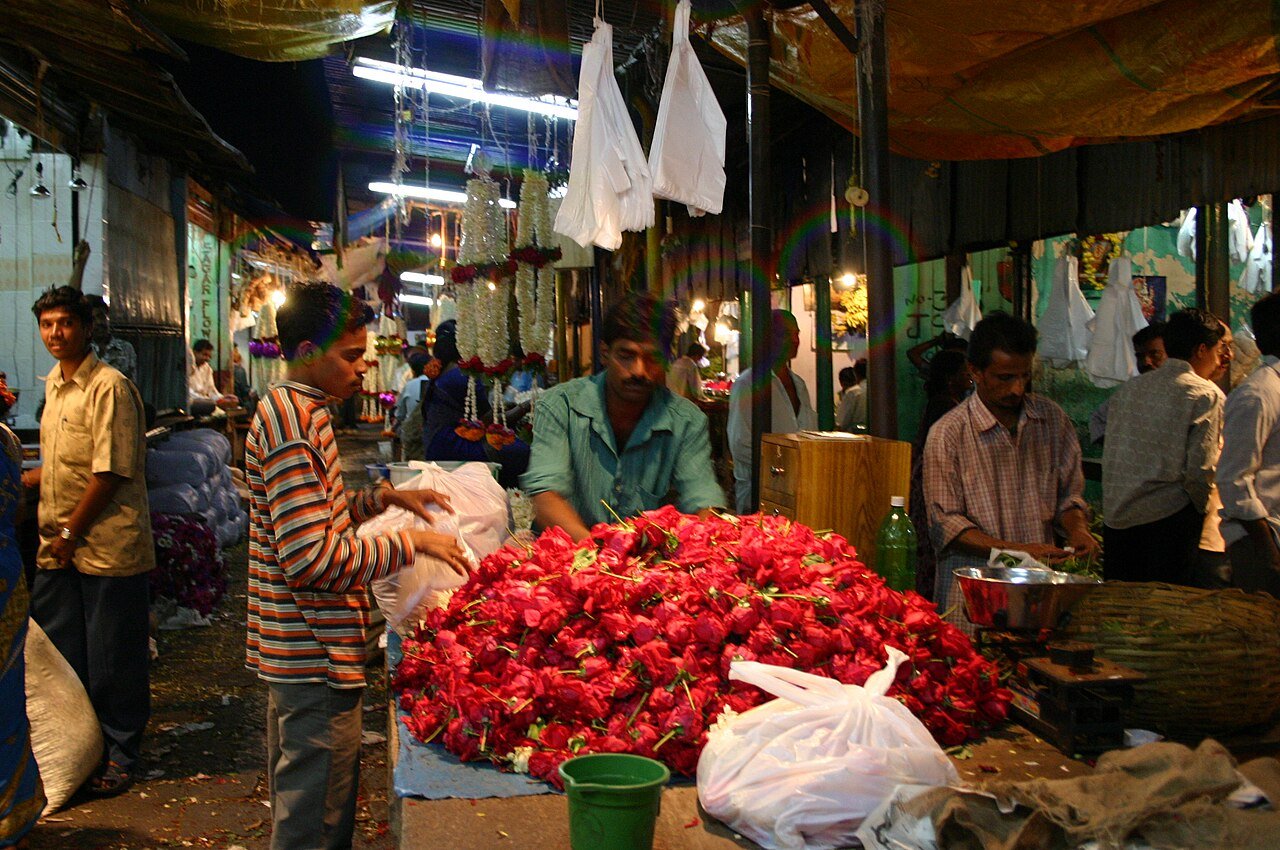
Kumbarageri Traditional Potter Studios
Visitors can observe potters turning damp clay on manual stone flywheels and purchase pre-seasoned terracotta curds pots, water coolers, and cookware.
Frequently Asked Questions
How do I season a clay cooking pot purchased in Kumbarageri?
Submerge the new pot in water for 24 hours, rub the interior with rice water (kanji) and vegetable oil, and heat gently over low flame before first use.
How We Researched & Field-Audited This Guide
At Mysore Mysuru, we enforce zero third-party outsourcing and zero AI-generated guesswork. Every entry, route, tariff, and timing in this dossier was physically audited in Mysuru:
- Physical On-Site Inspection: Verified operating counters, gate queues, parking tariffs, and photography permissions.
- Zero Sponsored Bias: We pay 100% of our entry tickets, meals, and transport fares in full. No commercial brand can buy inclusion.
- Official Gazette Alignment: Cross-referenced with the Archaeological Survey of India (ASI), Mysuru District Administration, Palace Board, and KSRTC transit notifications.
Explore More Field Guides
Handpicked stories in Heritage & Culture