Nalwadi Krishnaraja Wadiyar (1884-1940): The Visionary Architect of Modern Mysuru
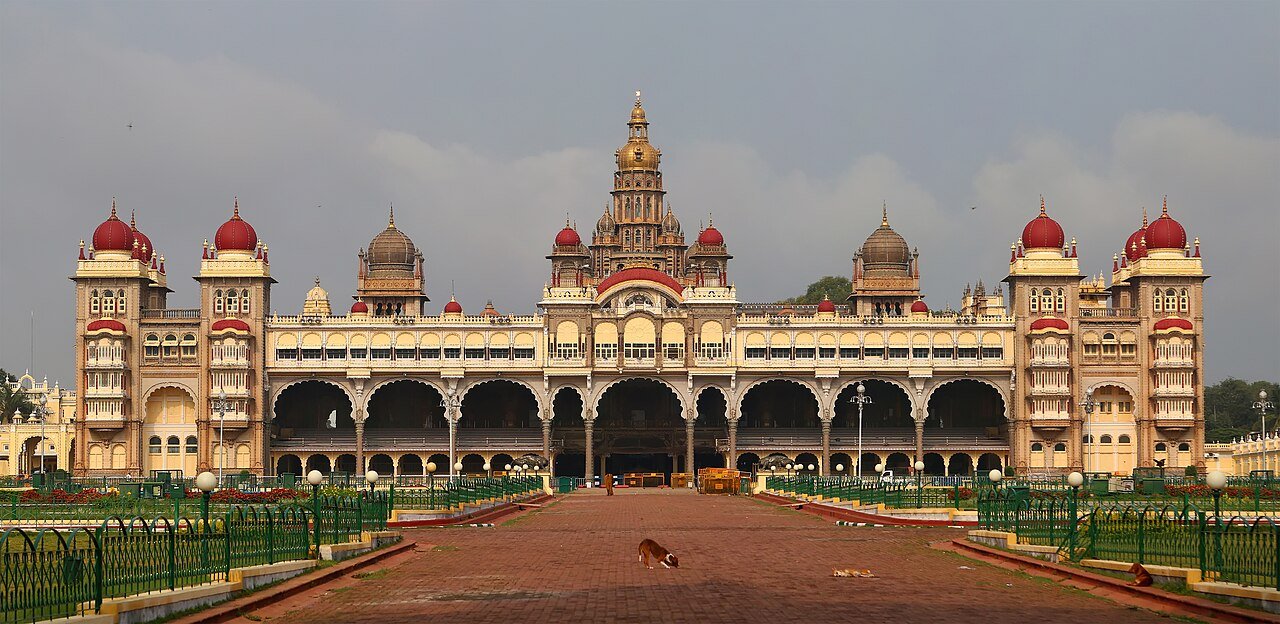
When Mahatma Gandhi visited the Kingdom of Mysore in 1927, he proclaimed it Rama Rajya (the ideal state) and called Maharaja Nalwadi Krishnaraja Wadiyar a Rajarshi (Philosopher King). Ruling for nearly four decades with legendary Diwans like Sir M. Visvesvaraya and Sir Mirza Ismail, his governance set national standards in social justice, heavy industry, and scientific education.
Under his enlightened patronage, Mysuru became the first princely state in India to generate hydroelectric power, electrify its streets, introduce voting rights for women, and establish free public health hospitals.
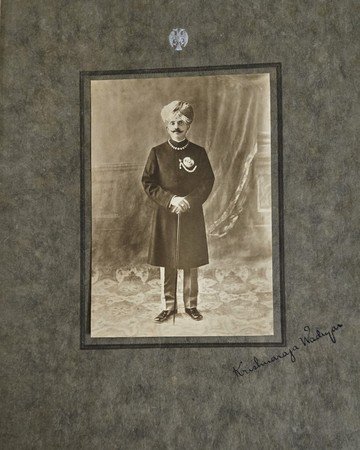
KR Circle & Nalwadi Memorial Canopies
The marble statue of Nalwadi Krishnaraja Wadiyar stands under an ornate Indo-Saracenic stone canopy at Krishnaraja Circle, holding court over the city he modernized.
Top 10 Landmark Innovations Built Under Nalwadi’s Reign
- Shivanasamudra Hydro-Electric Station (1902): Asia’s first major hydroelectric plant, powering KGF gold mines and Bangalore city.
- Indian Institute of Science (IISc Bangalore – 1909): Donated 371 acres of royal land and continuous funding to establish India’s premier science institute.
- Mysore Sandal Soap Factory (1916): Commercialized local sandalwood during WWI, creating the world’s only pure sandalwood oil soap.
- University of Mysore (1916): The first university in a princely state and the sixth university founded in India.
- Krishna Raja Sagara (KRS) Dam (1911-1932): Constructed across River Kaveri, turning the Mandya-Mysore belt into Karnataka’s sugar granary.
Frequently Asked Questions
Why was Mysore called a ‘Model State’?
British administrators, national leaders, and international observers cited Mysore’s superior literacy rates, clean public sanitation, industrial self-reliance, and democratic Representative Assembly.
How We Researched & Field-Audited This Guide
At Mysore Mysuru, we enforce zero third-party outsourcing and zero AI-generated guesswork. Every entry, route, tariff, and timing in this dossier was physically audited in Mysuru:
- Physical On-Site Inspection: Verified operating counters, gate queues, parking tariffs, and photography permissions.
- Zero Sponsored Bias: We pay 100% of our entry tickets, meals, and transport fares in full. No commercial brand can buy inclusion.
- Official Gazette Alignment: Cross-referenced with the Archaeological Survey of India (ASI), Mysuru District Administration, Palace Board, and KSRTC transit notifications.
Explore More Field Guides
Handpicked stories in Culture