Jaganmohan Palace Art Gallery: Raja Ravi Varma Masterpieces, Timings & Entry Fees (2026)
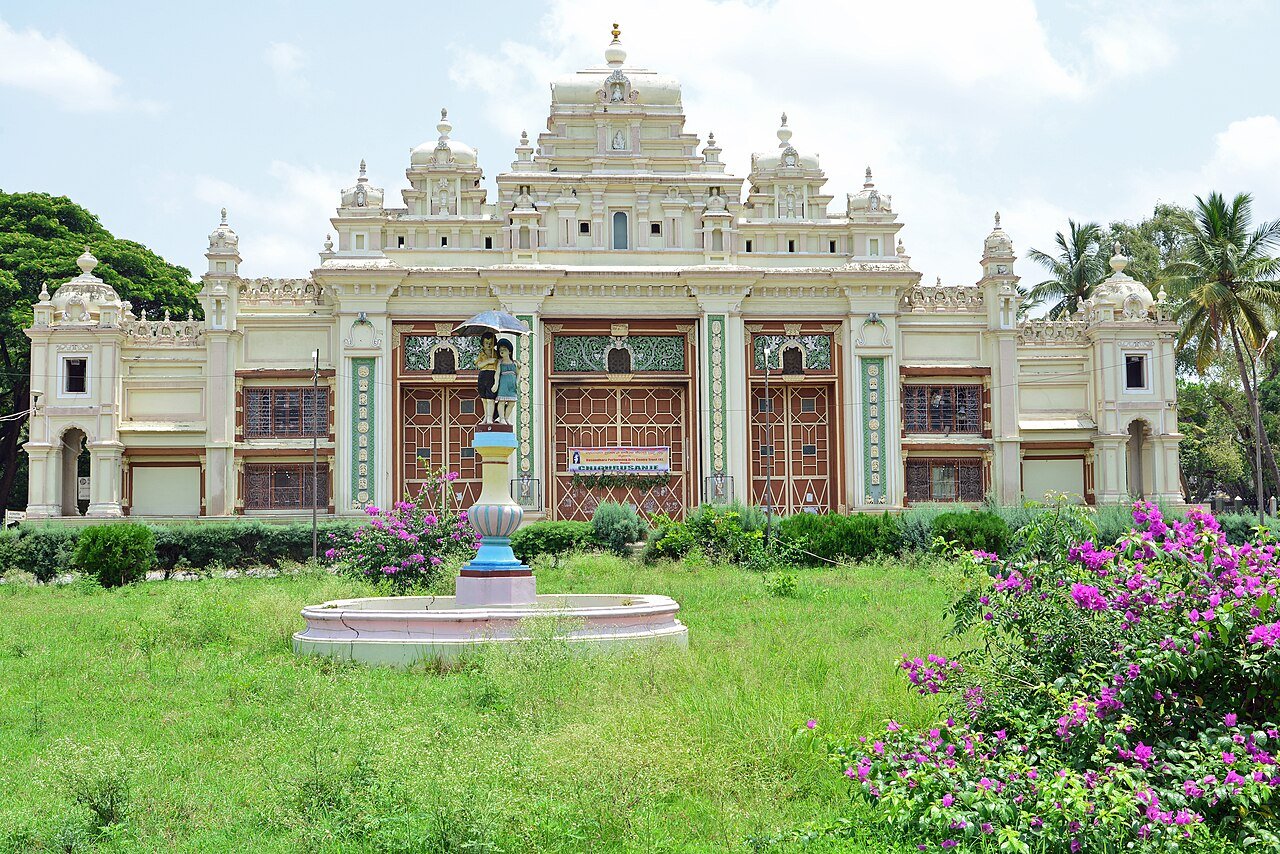
Constructed in 1861 by Maharaja Mummadi Krishnaraja Wadiyar as a royal residence while the old wooden palace was undergoing reconstruction, Jaganmohan Palace is a magnificent three-tiered royal pavilion adorned with traditional Hindu stucco arches, wood-carved verandas, and classical ornamental cornices.
In 1915, visionary ruler Maharaja Nalwadi Krishnaraja Wadiyar converted this princely abode into a public museum, creating the Sri Jayachamarajendra Art Gallery. It has since evolved into one of South Asia’s foremost treasure troves of classical Indian painting, European sculpture, and princely royal memorabilia.
The gallery is globally renowned for holding sixteen original masterpiece oil paintings by Travancore royal artist Raja Ravi Varma, as well as the world-famous watercolour masterpiece Glow of Hope by S.L. Haldankar, rare Mysore gold-leaf paintings, and intricate ivory carvings.
The central auditorium on the ground floor played a historic role in Karnataka’s political history as the venue where the Representative Assembly of the Princely State of Mysore held its early democratic deliberations.
Sri Jayachamarajendra Art Gallery & Masterpiece Salon
Wander through the Raja Ravi Varma wing to admire priceless original canvases depicting Hindu epics and royal portraiture, including Sri Krishna as Envoy, Harischandra, and Shakuntala. In an adjacent climate-controlled dark gallery hangs S.L. Haldankar’s masterpiece “Glow of Hope” (Lady with the Lamp), showcasing breathtaking mastery in rendering translucent watercolor light through fingers cupping a brass oil lamp.
Mysore Gesso Gold-Leaf Pavilion & Royal Memorabilia
Admire rare traditional Mysore Paintings rendered with embossed gesso paste, pure 24-karat gold foil, and organic stone colors depicting Goddess Chamundeshwari and the coronation of Sri Rama. The collection also exhibits ivory chessboards, sandalwood fans, and veenas played by court virtuosos.
Key Highlights of the Royal Art Collection
- Raja Ravi Varma Masterpieces: 16 original oil paintings including the iconic “Victory of Indrajit”, “Lady in Moonlight”, and royal portraits of Maharaja Chamaraja Wadiyar.
- S.L. Haldankar’s “Glow of Hope”: Completed on handmade paper in 1945, this world-renowned watercolor depicts Haldankar’s daughter Gita holding a traditional brass oil lamp.
- Mysore Traditional Gold-Leaf Gesso Paintings: Intricate 19th-century religious icons crafted with pure 24-karat gold foil and vegetable dyes depicting Chamundeshwari, Rama, and Krishna.
- Antique Musical Instruments & Weaponry: Rare sandalwood veenas played by Wadiyar court maestros, Japanese porcelain vases, and jeweled royal daggers.
Visiting Hours, Entry Pricing & Rules (2026)
| Ticket Category | Days of Operation | Visiting Timings | Official Pricing (2026) | Access & Notes |
|---|---|---|---|---|
| Indian Adults (Age 12+) | Tuesday – Sunday (Mon Closed) | 8:30 AM – 5:30 PM | Rs 75 per person | Covers all three museum floors |
| Indian Children (Age 5 – 12) | Tuesday – Sunday | 8:30 AM – 5:30 PM | Rs 35 per child | Free for kids under 5 years |
| Foreign Tourists | Tuesday – Sunday | 8:30 AM – 5:30 PM | Rs 150 per person | Includes English information pamphlet |
| School Group Concession | Advance booking required | 8:30 AM – 5:30 PM | Rs 20 per student | Guided student group walkthrough |
Planning Your Visit & Nearby Attractions
Jaganmohan Palace is situated just 400 meters west of the northern Balarama Gate of Mysore Palace, making it effortless to combine both royal residences in a single morning.
After completing your gallery tour, take a pleasant 5-minute stroll into Devaraja Mohalla to sample traditional hot filter coffee and freshly fried bajjis at nearby heritage cafes.
Frequently Asked Questions
Is photography permitted inside Jaganmohan Palace Art Gallery?
How much time is required to tour Jaganmohan Palace?
Is the art gallery wheelchair accessible?
How We Researched & Field-Audited This Guide
At Mysore Mysuru, we enforce zero third-party outsourcing and zero AI-generated guesswork. Every entry, route, tariff, and timing in this dossier was physically audited in Mysuru:
- Physical On-Site Inspection: Verified operating counters, gate queues, parking tariffs, and photography permissions.
- Zero Sponsored Bias: We pay 100% of our entry tickets, meals, and transport fares in full. No commercial brand can buy inclusion.
- Official Gazette Alignment: Cross-referenced with the Archaeological Survey of India (ASI), Mysuru District Administration, Palace Board, and KSRTC transit notifications.
Explore More Field Guides
Handpicked stories in Heritage & Culture