Century-Old Printing Presses of Mysore (2026): Wesley Press & Royal Type Guilds
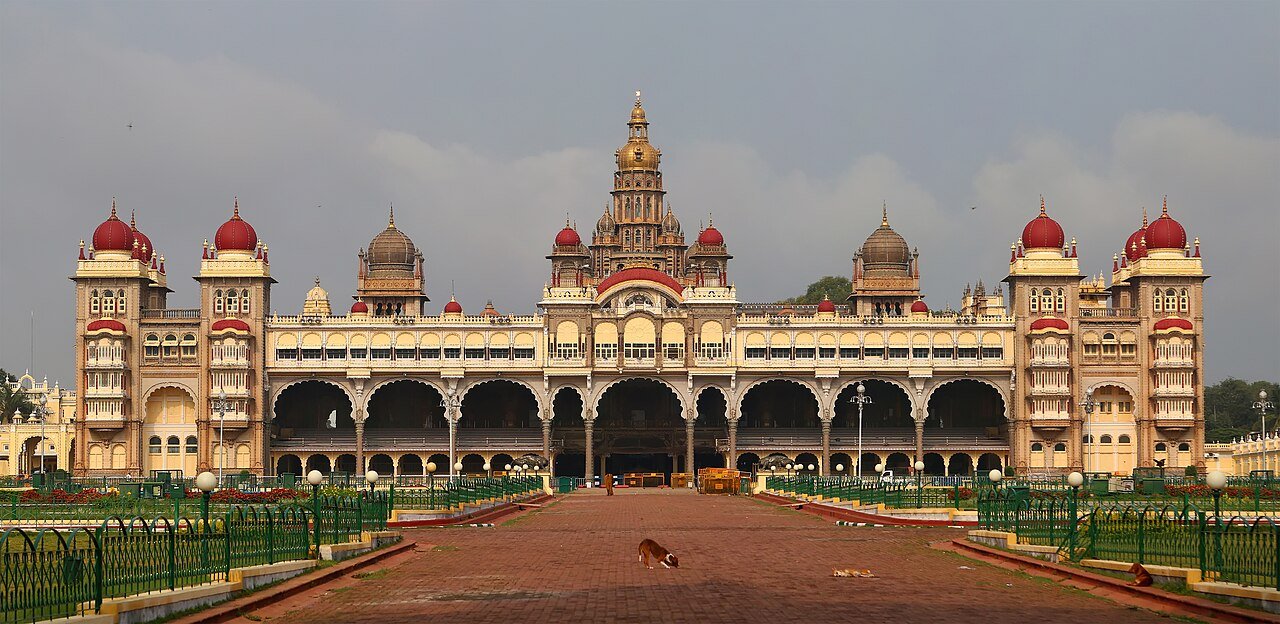
Long before digital fonts and computerized publishing, Mysuru was the undisputed intellectual capital of South Indian typography. In 1840, scholars established the Wesley Press in Lashkar Mohalla, developing lead metal punches that gave the rounded Kannada script its first standardized, aesthetic typographic form.
Here, the kingdom’s earliest classical literature, royal gazettes, botanical encyclopedias, and missionary translations were handset letter-by-letter on cast-iron Heidelberg and Wharfedale cylinder presses.
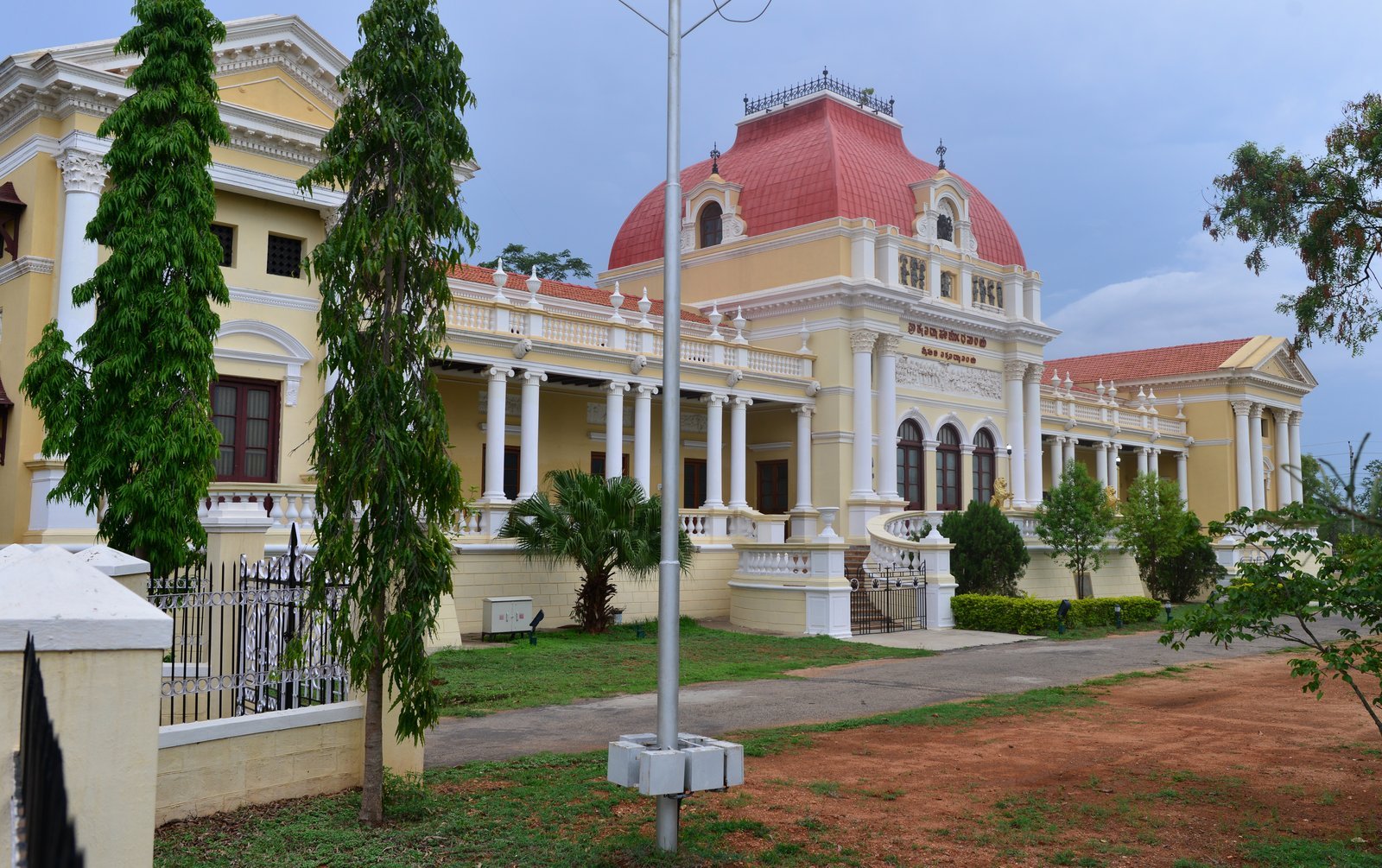
Wesley Press & Heritage Archives
The archives hold rare original prints of 19th-century dictionaries, palm-leaf transcription proofs, and royal coronation gazettes printed on rag cotton paper.
Frequently Asked Questions
What is the Oriental Research Institute (ORI) in Mysore?
Founded in 1891 by Maharaja Chamaraja Wadiyar IX, it is a world-renowned manuscript library where scholar R. Shamasastry discovered the long-lost palm-leaf text of Kautilya’s Arthashastra in 1905.
How We Researched & Field-Audited This Guide
At Mysore Mysuru, we enforce zero third-party outsourcing and zero AI-generated guesswork. Every entry, route, tariff, and timing in this dossier was physically audited in Mysuru:
- Physical On-Site Inspection: Verified operating counters, gate queues, parking tariffs, and photography permissions.
- Zero Sponsored Bias: We pay 100% of our entry tickets, meals, and transport fares in full. No commercial brand can buy inclusion.
- Official Gazette Alignment: Cross-referenced with the Archaeological Survey of India (ASI), Mysuru District Administration, Palace Board, and KSRTC transit notifications.
Explore More Field Guides
Handpicked stories in Heritage & Culture