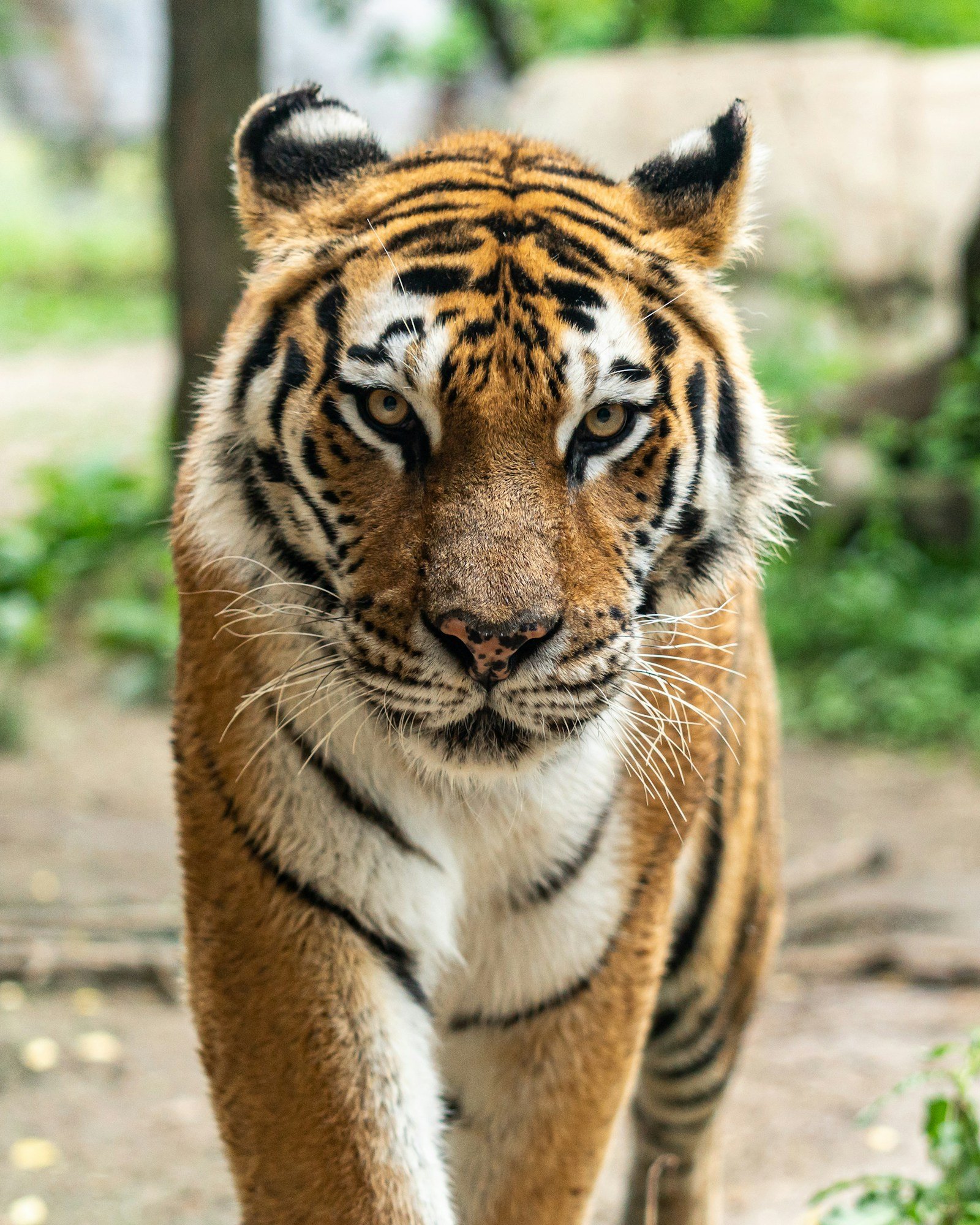
Chamundi Hill Reserve Forest (2026): Wildlife, Leopards & Plant Biodiversity
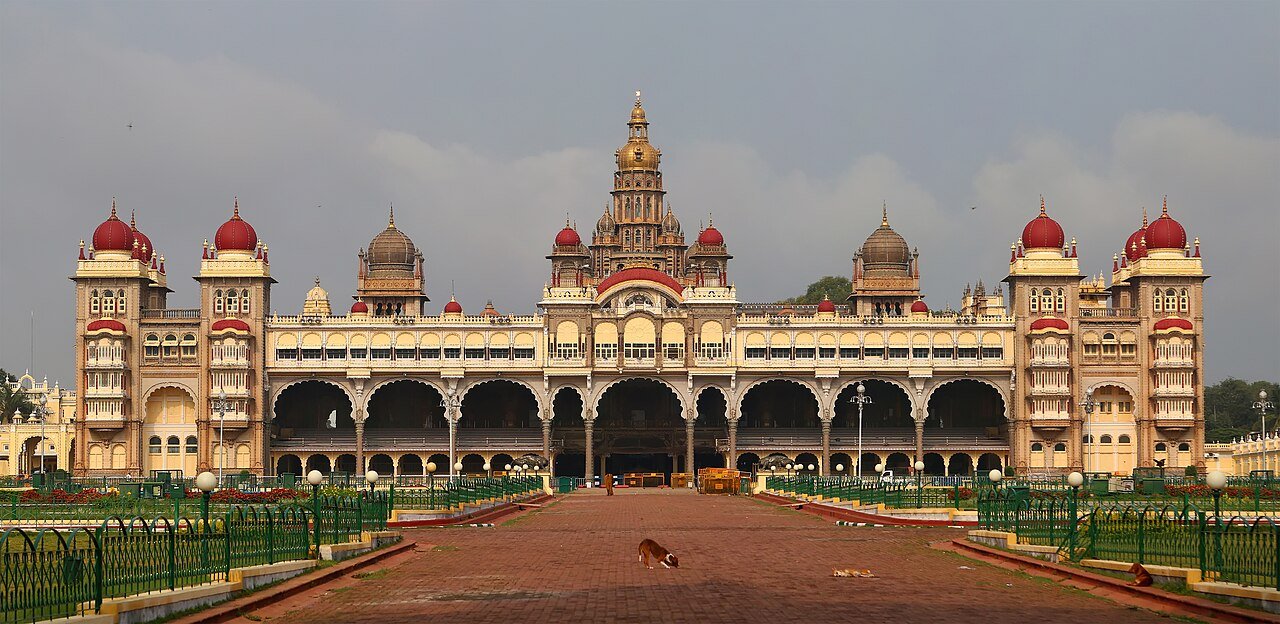
Beyond its role as a royal pilgrimage destination, Chamundi Hill is an irreplaceable ecological sanctuary that preserves the native biodiversity of the Mysore plateau. The scrub forests on the hill’s northern and eastern slopes provide natural camouflage for wildlife.
Herpetologists and botanists regularly document rare endemic flora here, including medicinal plants used in traditional Ayurveda like Commiphora mukul and Decalepis hamiltonii (Makali beru).
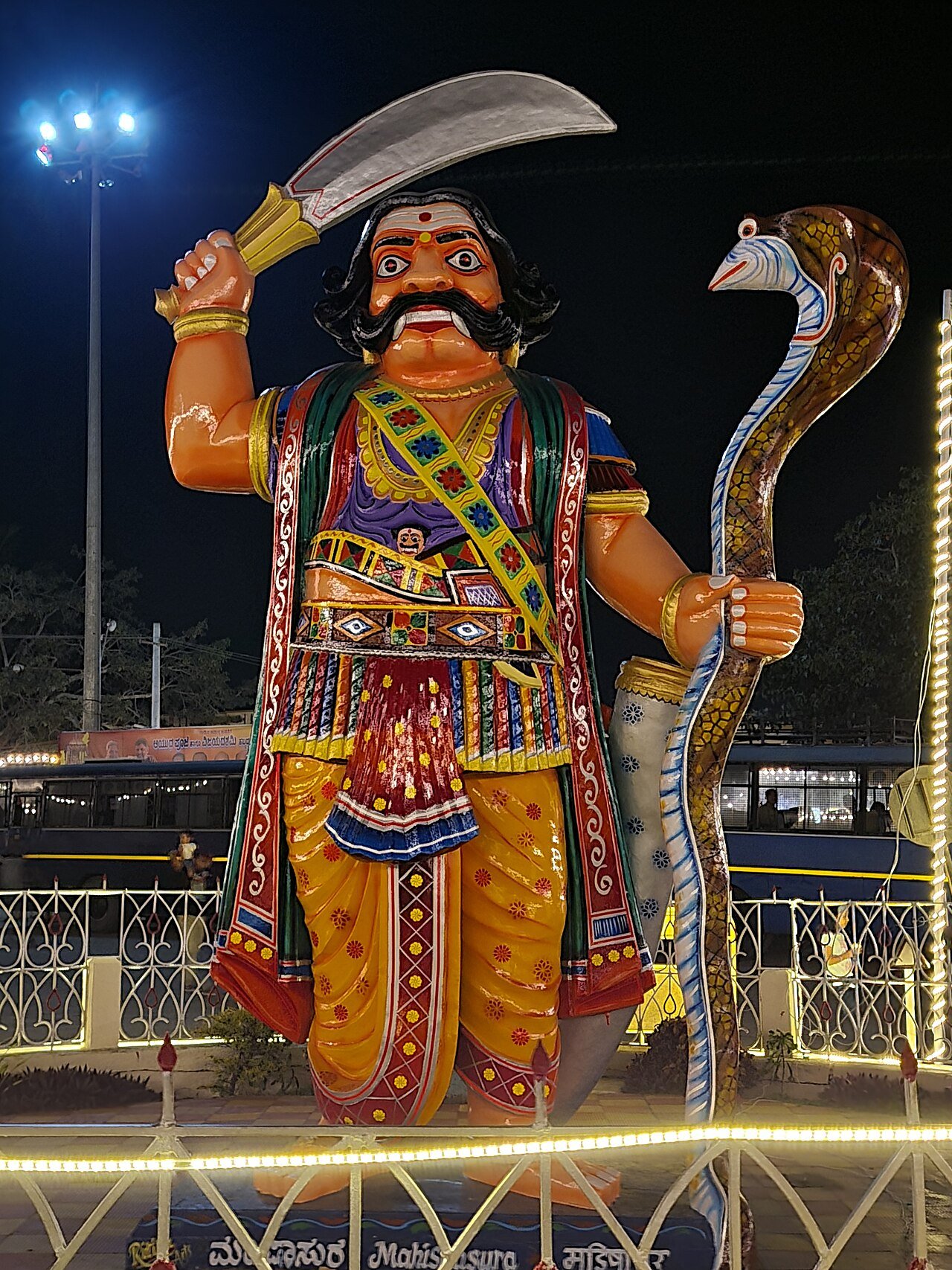
Chamundi Reserve Forest Eco-Zone
The dense thorn scrub supports healthy populations of gray langurs, bonnet macaques, civet cats, and birds of prey like the white-eyed buzzard and crested serpent eagle.
Frequently Asked Questions
Are there wild leopards living on Chamundi Hill?
Yes, camera traps regularly document healthy adult leopards that live in the rocky caves, feeding on wild boars and stray animals away from pilgrim footpaths.
How We Researched & Field-Audited This Guide
At Mysore Mysuru, we enforce zero third-party outsourcing and zero AI-generated guesswork. Every entry, route, tariff, and timing in this dossier was physically audited in Mysuru:
- Physical On-Site Inspection: Verified operating counters, gate queues, parking tariffs, and photography permissions.
- Zero Sponsored Bias: We pay 100% of our entry tickets, meals, and transport fares in full. No commercial brand can buy inclusion.
- Official Gazette Alignment: Cross-referenced with the Archaeological Survey of India (ASI), Mysuru District Administration, Palace Board, and KSRTC transit notifications.
Explore More Field Guides
Handpicked stories in Nature