Mysuru’s Century-Old Rain Tree Canopies: Gustav Krumbiegel’s Living Heritage (2026)
Long before urban planners recognized the concept of ‘urban heat islands’ and carbon sinks, the Kingdom of Mysore engineered the world’s most ambitious royal urban forestry program. Under the direction of German horticultural superintendent Gustav Krumbiegel (who also shaped Bangalore’s Lalbagh), the broad avenues of Mysuru were transformed into botanical bio-corridors.
Selected for their immense crown spread, feather-like leaflets that fold at dusk (allowing rain to pass through, hence ‘Rain Tree’), and nitrogen-fixing root systems, these century-old trees form towering cathedral-like vaulted ceilings across the city.
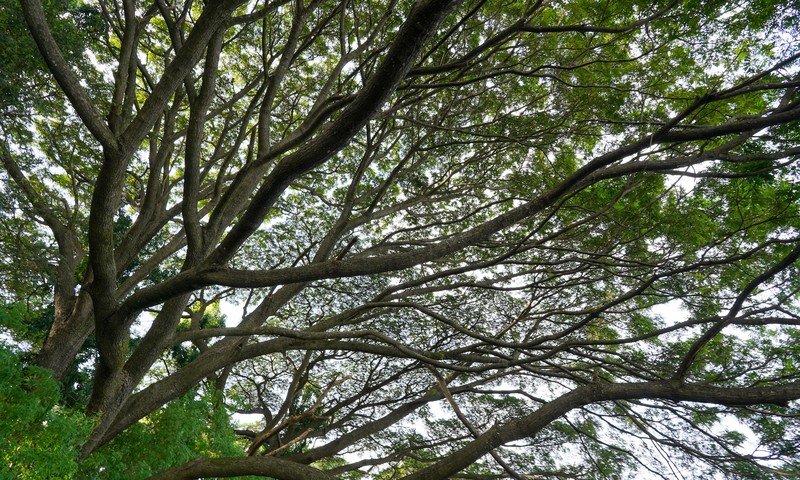
Krumbiegel’s Gordon Park Botanical Avenue
The intertwined branches of these 100-year-old giants create a complete umbrella of shade, home to thousands of fruit bats, owls, and flying foxes at twilight.
Frequently Asked Questions
Are the heritage trees in Mysore protected by law?
Yes, heritage trees across Mysuru are cataloged by the Mysore City Corporation and Forest Department, carrying strict legal penalties against felling or branch damage.
How We Researched & Field-Audited This Guide
At Mysore Mysuru, we enforce zero third-party outsourcing and zero AI-generated guesswork. Every entry, route, tariff, and timing in this dossier was physically audited in Mysuru:
- Physical On-Site Inspection: Verified operating counters, gate queues, parking tariffs, and photography permissions.
- Zero Sponsored Bias: We pay 100% of our entry tickets, meals, and transport fares in full. No commercial brand can buy inclusion.
- Official Gazette Alignment: Cross-referenced with the Archaeological Survey of India (ASI), Mysuru District Administration, Palace Board, and KSRTC transit notifications.
Explore More Field Guides
Handpicked stories in Nature