Original Hanmanthu Mutton Pulao Mysore (2026 Guide): Secret Recipe, Branches & Timings
For over nine decades, discerning meat lovers across South India have made the sacred pilgrimage to a narrow, aromatic lane in Mandi Mohalla for a single dish: Original Hanmanthu Mutton Pulao. Unlike heavier Mughlai or Hyderabadi dum biryanis, the Hanmanthu style represents pure Karnataka military hotel heritage, characterized by its fragrant green herb base, subtle warmth, and melt-in-the-mouth goat meat.
Established in 1930 by Hanmanthu Rao, this humble mess has remained uncompromising in its culinary technique. Cooking commences before sunrise over roaring tamarind wood-fire hearths, using heavy bell-metal cauldrons (deghs) that seal in moisture and impart an unmistakably rustic, smoky depth.
Original S. Hanmanthu Rao Mess (Mandi Mohalla)
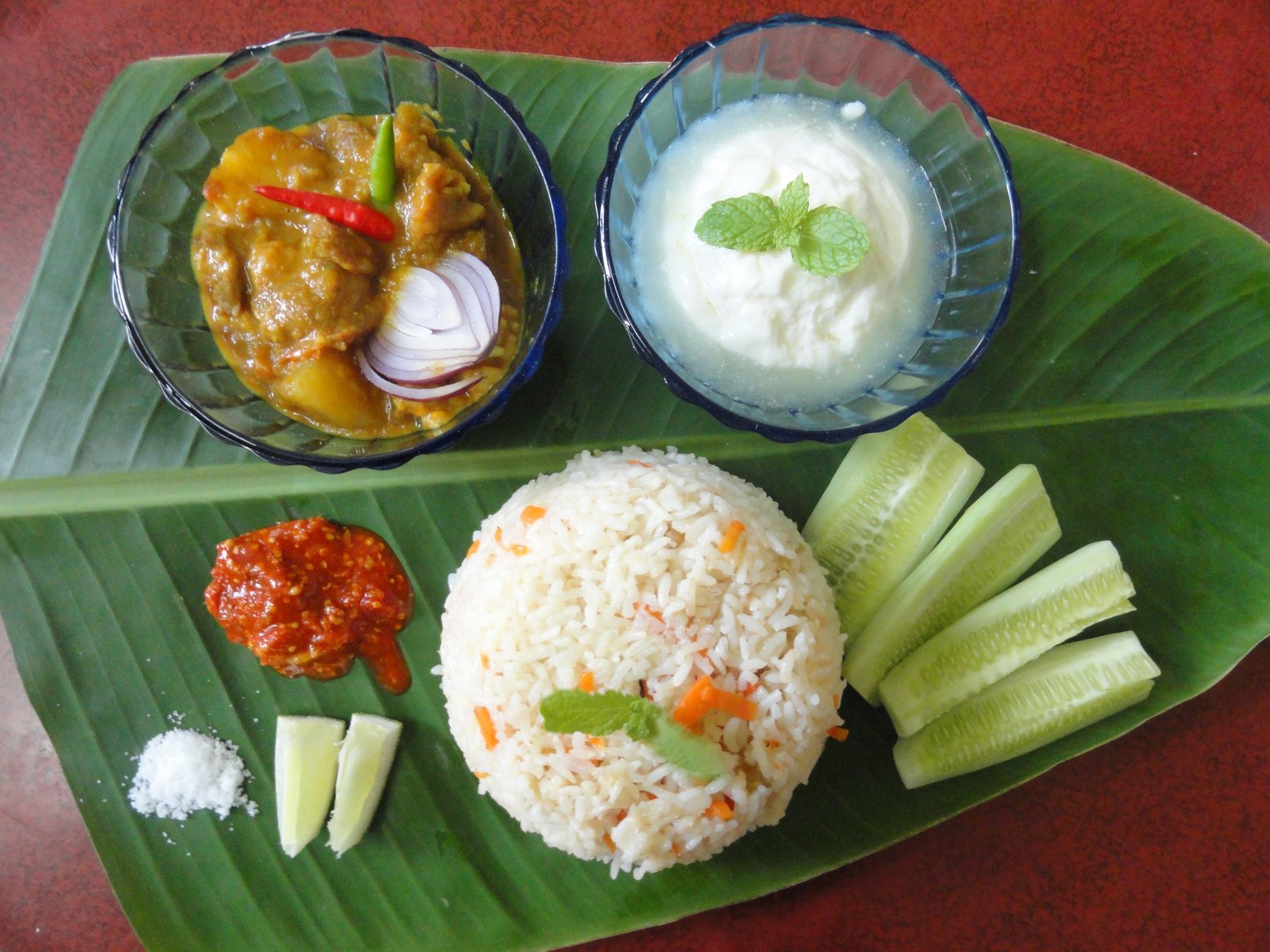
The original sanctum sanctorum of Mysuru military dining. The pulao is served steaming hot in traditional stitched sal leaf bowls (donnes). Every grain of short seeraga samba rice is infused with rich mutton stock, accompanied by a cooling onion raita and fiery salna gravy.
The Seeraga Samba Secret: Why Hanmanthu Tastes Distinct
The primary distinction between Hanmanthu pulao and typical commercial biryanis lies in the grain selection. Instead of elongated aged basmati, Hanmanthu uses organic Seeraga Samba (chitti muthyalu), an ancient indigenous grain known for absorbing three times its weight in rich broth while retaining a firm, velvety bite.
Fresh coriander leaves, mint, green chillies, garlic, and ginger are stone-ground on stone slabs every morning. No commercial artificial colorings, processed pastes, or heavy cream are permitted.
- Meat Sourcing: Only tender grass-fed local Bannur sheep are selected, ensuring collagen-rich marrow and succulence.
- Wood-Fired Simmering: Tamarind wood burns steadily at medium heat, infusing the rice with natural hardwood smoke.
- Donne Serving: Hot rice served on sal leaves draws subtle herbal tannins that enhance digestion.
Hanmanthu Menu & Pricing Matrix (2026)
| Item Name | Serving Portions | Preparation Style | Official Price (2026) | Availability |
|---|---|---|---|---|
| Special Mutton Pulao | 1 Generous Plate (3-4 Chunks) | Seeraga Samba Wood-Fired | Rs 320 | Daily (Lunch & Dinner) |
| Mutton Fry (Sukka) | Dry Roasted Side | Pepper, Curry Leaves & Shallots | Rs 280 | Daily |
| Mutton Liver Fry | Soft Offal Preparation | Ground Spices & Ghee | Rs 240 | Lunch & Dinner |
| Mutton Paya Soup | Collagen Broth (2 Trotters) | Herb Infused Bone Broth | Rs 190 | Tue, Fri, Sun (6 AM – 8:30 AM) |
| Chicken Pulao | 1 Plate (Country Chicken) | Wood-Fired Herb Broth | Rs 240 | Daily |
Frequently Asked Questions
Which is the original Hanmanthu branch in Mysore?
The authentic original branch is located on Pulikeshi Road in Mandi Mohalla. While several newer outlets use similar names across the city, the original kitchen with historic wood-fired deghs is the Mandi Mohalla flagship.
Is Hanmanthu pulao extremely spicy?
No, it features a warm, comforting heat derived from green chillies and black peppercorns rather than fiery red chilli powder, making it gentle on the stomach.
How We Researched & Field-Audited This Guide
At Mysore Mysuru, we enforce zero third-party outsourcing and zero AI-generated guesswork. Every entry, route, tariff, and timing in this dossier was physically audited in Mysuru:
- Physical On-Site Inspection: Verified operating counters, gate queues, parking tariffs, and photography permissions.
- Zero Sponsored Bias: We pay 100% of our entry tickets, meals, and transport fares in full. No commercial brand can buy inclusion.
- Official Gazette Alignment: Cross-referenced with the Archaeological Survey of India (ASI), Mysuru District Administration, Palace Board, and KSRTC transit notifications.
Explore More Field Guides
Handpicked stories in Food & Dining