Royal Palaces & Heritage Trails of Mysuru
Comprehensive architectural and dynastic encyclopedia: The Seven Palaces Circuit, 600-year Wadiyar timeline, Chamundi Hill 1,008-step pilgrimage, century-old rain tree botanical canopy, and Dasara Jumboo Savari logistics.
Amba Vilas Royal Palace Architectural Atlas
Interactive 6-chamber blueprint guide, ceremonial durbar halls, entry gate logistics, and royal heritage etiquette
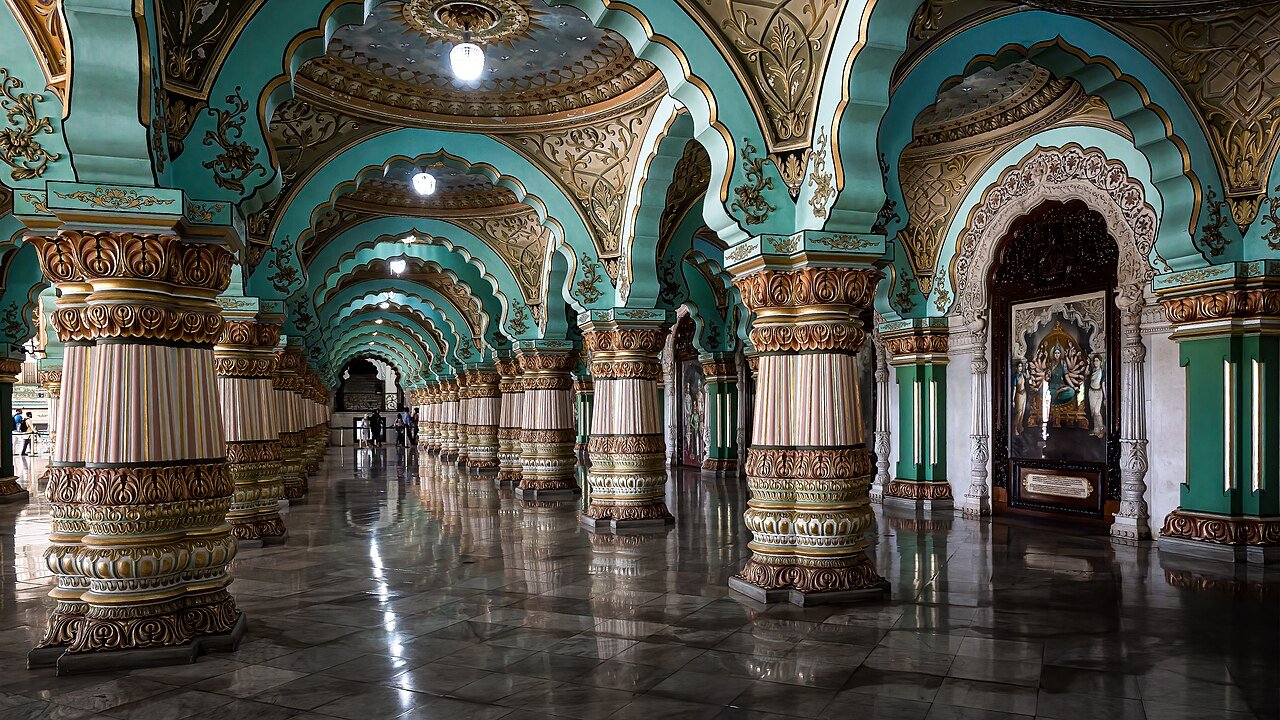
Gombe Thotti (Dolls Pavilion)
The grand entrance gallery displaying antique European porcelain, traditional wooden dolls, a ceremonial wooden elephant howdah decorated with 84 kilograms of 24k gold, and the royal brass carriage model.
Architectural Highlights:
- Material: Carved teakwood ceiling, Italian marble floor with floral inlay.
- Key Artifact: Golden Howdah (Ambari) used during Vijayadashami Jumboo Savari.
- Historical Note: Surviving artifacts from the 1897 old wooden palace fire.
Main Public & Tourist Entry
Ticket counters, automated QR gates, free shoe drop deposit counter, battery-operated buggy pickups for seniors, and cloakrooms.
VIP, Group & Sound-Light Entry
Primary gate for Evening Sound & Light show (7:00 PM - 8:00 PM), tourist coach parking, and illuminated facade photography.
Dasara Procession & Festival Gate
The grand ceremonial gateway where the 750kg Golden Howdah procession exits onto Albert Victor Road during Vijayadashami.
Mysore Palace: Daylight Granite vs. 97,000-Bulb Golden Illumination
Drag or swipe the divider to compare the Indo-Saracenic daylight architecture with the Sunday 7:00 PM grand illumination
 Daylight Architecture
 97,000 Bulb Illumination
The 7 Royal Palaces of Mysuru: Architecture & Visiting Circuit
Complete heritage guide to the seven monumental royal palaces and royal mansions built by the Wadiyar Dynasty
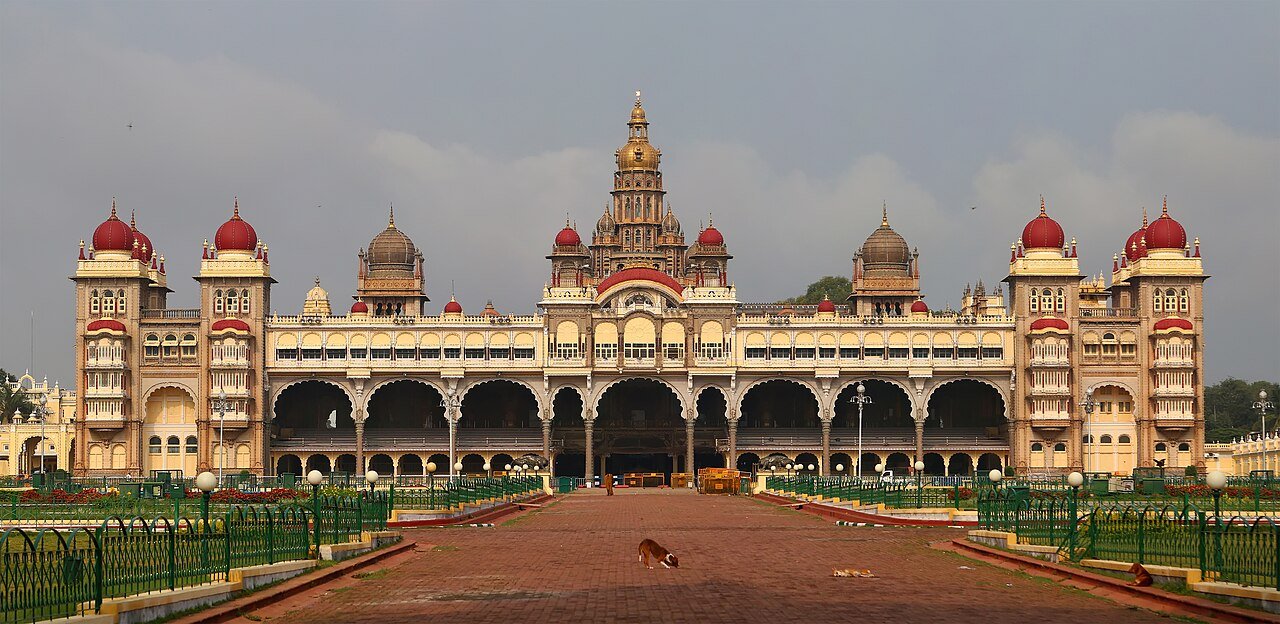 1. Amba Vilas (Main Palace)
Amba Vilas Palace
The jewel of Indo-Saracenic architecture featuring 3-storey granite domes, Durbar halls, ivory-inlaid rosewood doors, and 100,000 bulb illumination every Sunday.
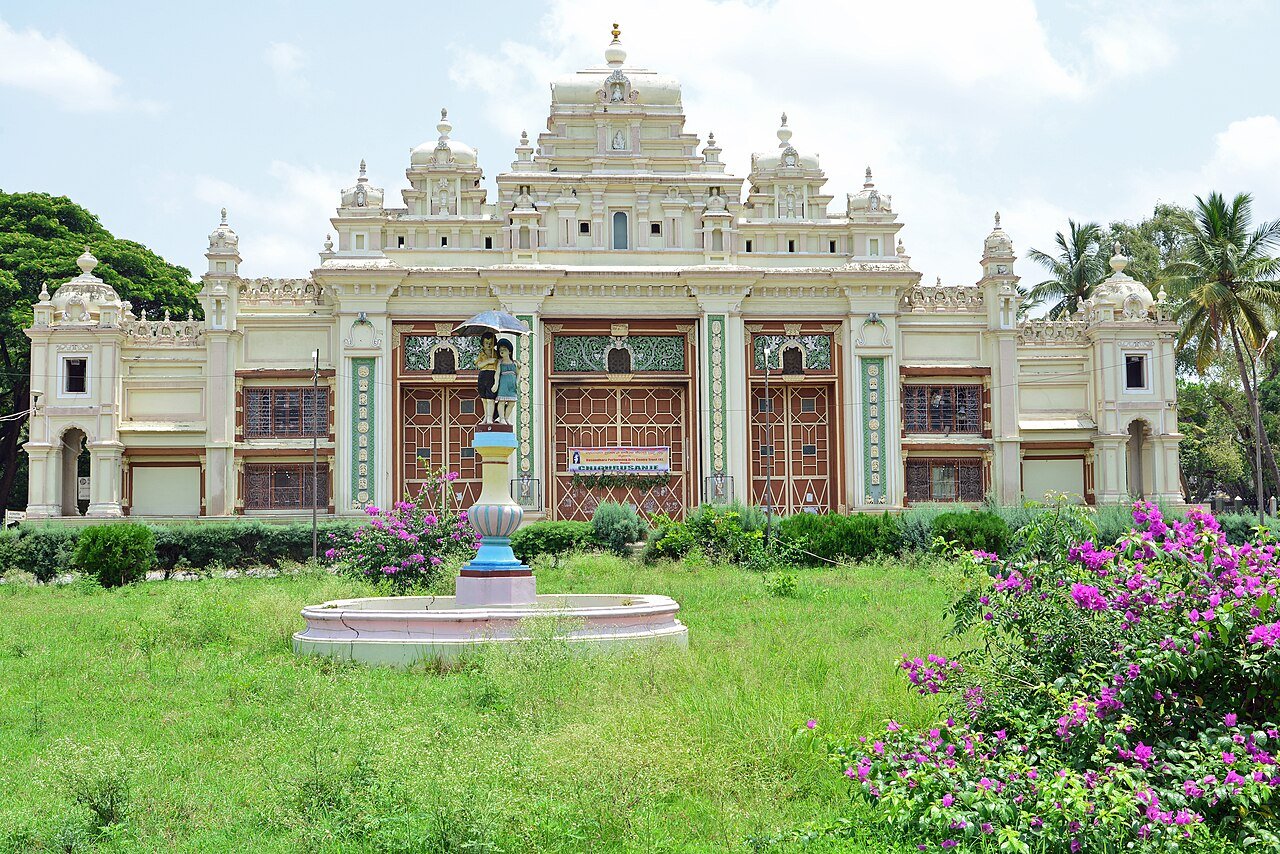 2. Jaganmohan Palace
Jaganmohan Palace & Art Gallery
Served as the royal residence while Amba Vilas was being built. Now houses India's finest collection of Raja Ravi Varma oil paintings, musical clocks, and gold leaf artwork.
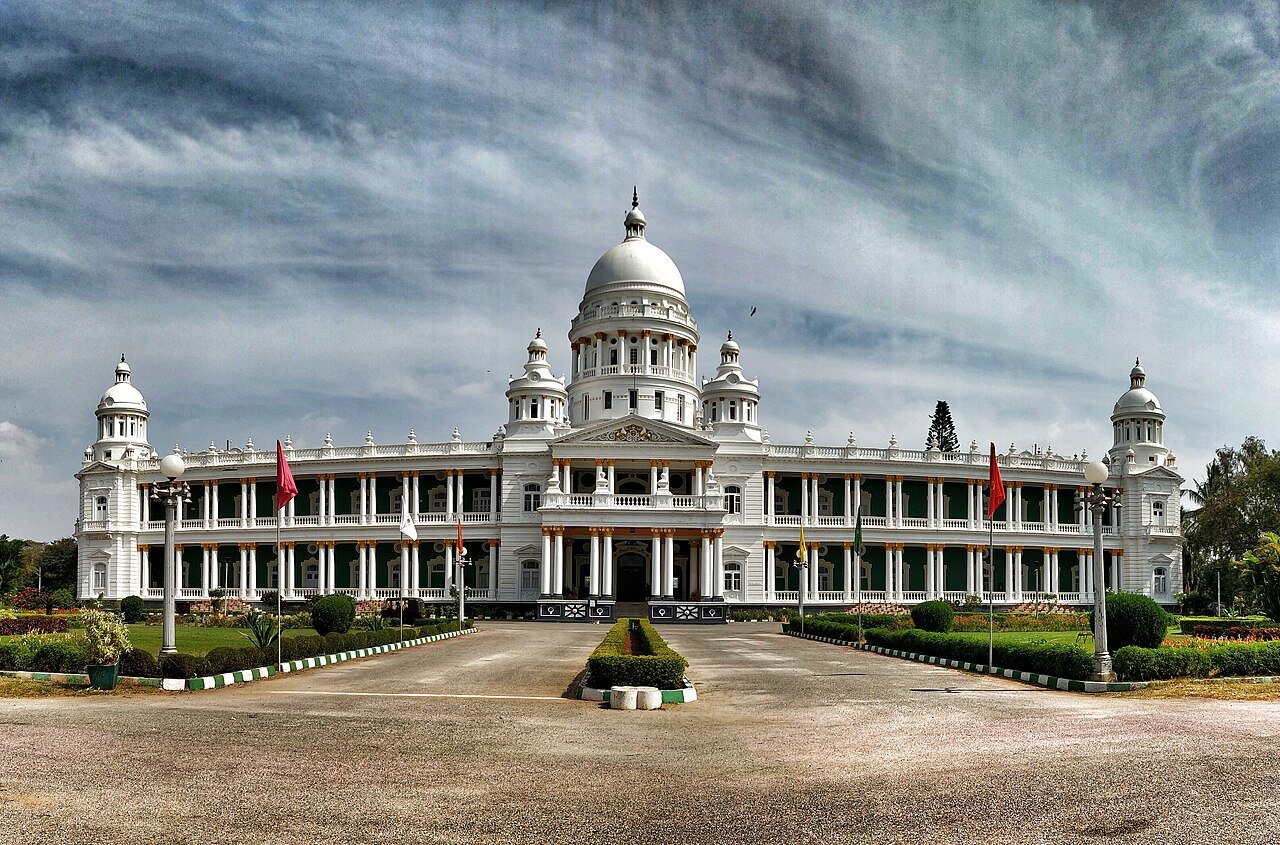 3. Lalitha Mahal Palace
Lalitha Mahal Palace
Modeled after St. Paul's Cathedral in London, featuring pure white Italian marble, Belgian crystal chandeliers, a grand double-flight marble staircase, and Viceroy high tea.
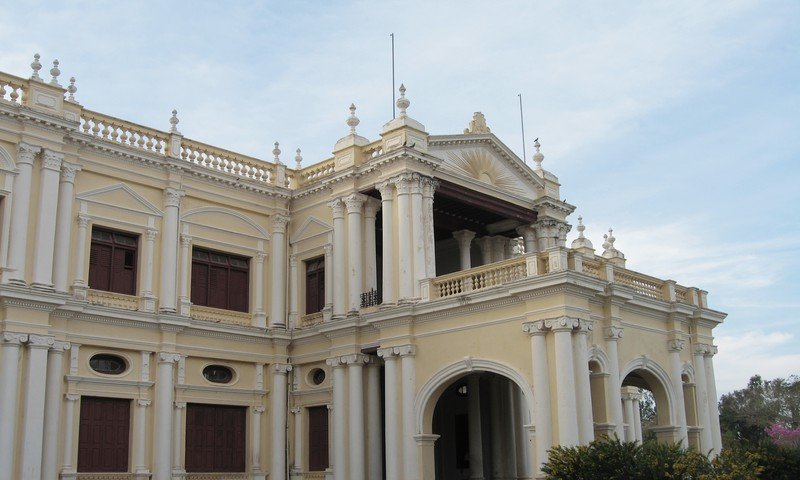 4. Jayalakshmi Vilas Mansion
Jayalakshmi Vilas Mansion (Folklore Museum)
A magnificent 125-room neoclassical mansion on the Kukkarahalli Lake ridge, housing the University Folklore Museum with 6,500+ indigenous crafts, puppets, and royal costumes.
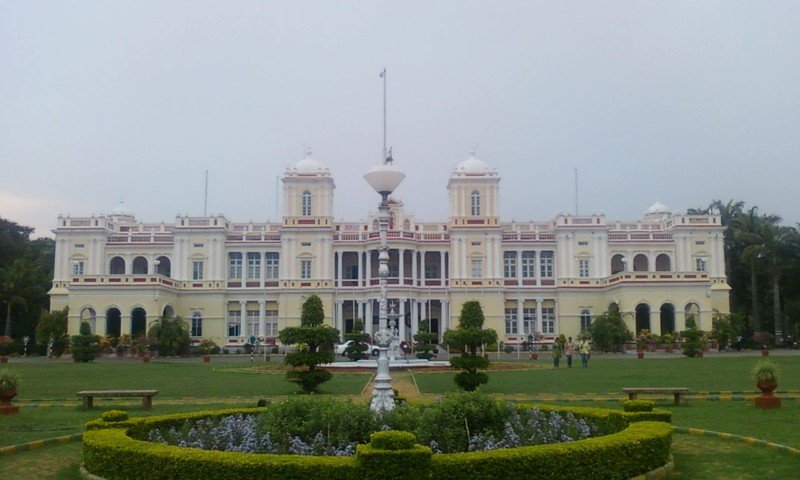 5. Cheluvamba Mansion (CFTRI)
Cheluvamba Mansion
Surrounded by expansive botanical gardens, this majestic palace was gifted by the Maharaja to establish the Central Food Technological Research Institute (CFTRI).
 6. Rajendra Vilas Palace
Rajendra Vilas Palace
Perched on the summit ridge of Chamundi Hill with four corner octagonal towers, designed as the royal summer retreat offering panoramic views over the illuminated city below.
The Royal Wadiyar Dynasty Heritage Timeline
The visionary kings, queens, and prime ministers who transformed Mysuru into the Model State of India
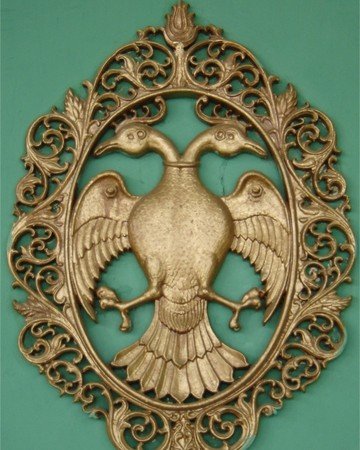 Gandaberunda Insignia
Yaduraya & Chamaraja Wadiyar I
Vijayanagara feudatories Vijaya and Krishna arrive from Dwarka at Mahishuru. Yaduraya defeats the oppressive ruler Maranayaka, marries Princess Devajammanni, and establishes the Yadu dynasty beneath sacred Chamundi Hill.
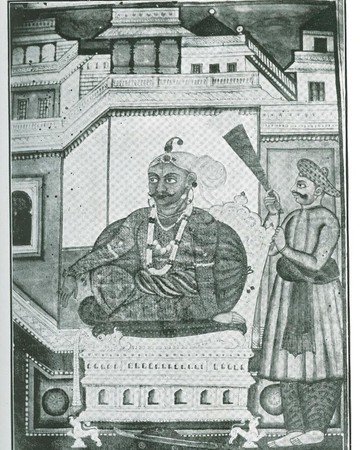 Raja Wadiyar I
Captures the strategic Kaveri island fortress of Srirangapatna from the Vijayanagara viceroy Tirumala. In September 1610 CE, he officially institutes the state festival of Navaratri / Dasara with royal elephant pageantry, decreeing that it be celebrated in perpetuity.
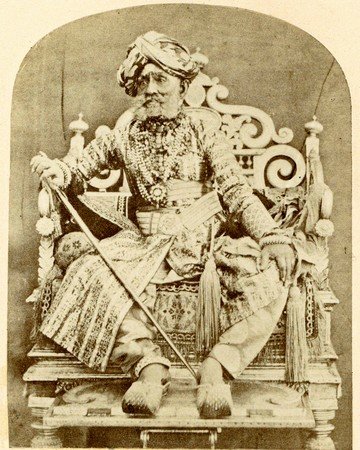 Krishnaraja Wadiyar III
Mummadi Krishnaraja Wadiyar III
Crowned at age five following the 1799 Siege of Srirangapatna. Returning the royal seat to Mysuru, he built the grand Jaganmohan Palace (1861), authored monumental encyclopedic treatises (*Sritattvanidhi*), and catalyzed the golden age of Mysore gold-leaf painting, Ganjifa card art, and Carnatic music.
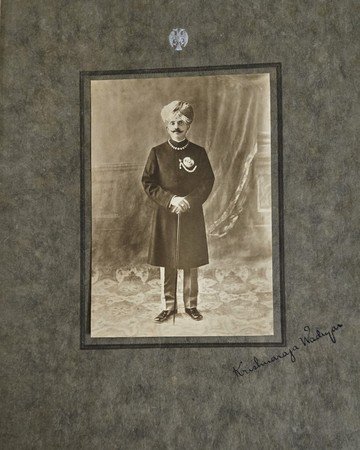 Rajarshi Krishnaraja IV
Nalwadi Krishnaraja Wadiyar IV
Revered as “Rajarshi” (Saint-King) by Mahatma Gandhi. Alongside visionary Diwan Sir M. Visvesvaraya and Sir Mirza Ismail, he revolutionized modern India: founded the University of Mysore (1916), Krishna Raja Sagara Dam & Brindavan Gardens (1932), Mysore Medical College (1924), illuminated Bengaluru in 1905 (Asia's 1st electrified city), and built Asia's first hydroelectric plant at Shivanasamudra.
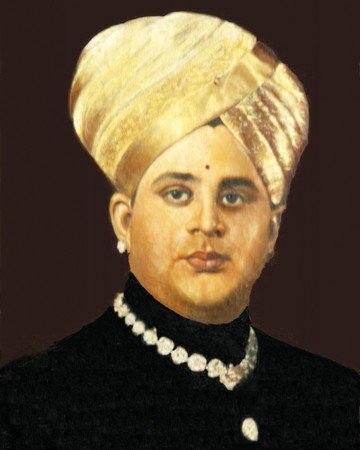 Jayachamarajendra Wadiyar
The 25th and final ruling Maharaja of Mysore. An eminent philosopher of Advaita Vedanta, fellow of Trinity College London, and composer of 94 revered Carnatic kritis. He signed the Instrument of Accession in 1947, becoming the first Governor (Rajpramukh) of Mysore State, and personally funded global recordings of Medtner and the London Philharmonia.
 Yaduveer Wadiyar
Yaduveer Krishnadatta Chamaraja Wadiyar
The 27th titular head of the Wadiyar dynasty and Member of Parliament for Mysuru-Kodagu. Educated in English and Economics at UMass Amherst, he actively champions lake conservation (Kukkarahalli and Karanji), green urban mobility, architectural restoration of heritage mansions, and the global cultural patronage of the royal city.
Curated Mysuru Walking Trails & Audio Routes
Turn-by-turn routes with distance metrics, recommended pacing, and audio narration
Heritage Cycling & Scenic Nature Circuits
Curated low-traffic bicycle routes, lake perimeter walks, and mountain hill climbs across the royal basin
The Royal Wadiyar Architectural Spine
Start at Town Hall -> Dufferin Clock Tower -> Lansdowne Heritage Arcade -> Palace North Gate -> Jaganmohan Palace -> Parakala Math. Ideal on Sunday mornings before 8:00 AM.
The Poet Kuvempu Kukkarahalli Lake Loop
Immerse in the serene lake trail immortalized by Rashtrakavi Kuvempu. Over 176 bird species, bamboo groves, wooden footbridges, and Chamundi Hill skyline reflections.
Chamundi Hill Serpent Hill Ride & Steps
Ascend via the smooth winding Ghat Road past View Point 1 and the ancient Nandi monolith (700th step), reaching the 12th-century Dravidian gopuram at the summit.
Kaveri Riverine Srirangapatna Island Loop
Scenic loop along the Kaveri river banks: Dariya Daulat Summer Palace -> Sangama Kaveri Confluence -> Gumbaz Rosewood Doors -> Ranganathaswamy Temple.
Chamundi Hill 1,008 Steps Sunrise Pilgrim's Trek
Interactive altitude profile, calorie tracker, Monolithic Nandi milestone, and sunrise darshan timetable
Foothills Base & Peepal Tree Shrine
The journey begins under ancient banyan and peepal trees. Pilgrims light camphor and apply vermillion (kumkuma) to the first step as an offering of reverence.
The Mid-Ridge Overlook Gazebo
Shaded stone pavilions offering breathtaking panoramic views of Mysuru city, the Lalitha Mahal dome, and the shimmering waters of Karanji Lake below.
The Monolithic Nandi Bull
Carved in 1664 CE from a single block of black basalt. Adorned with intricately sculpted brass bells and floral necklaces. Pilgrims perform pradakshina here.
The Summit Sri Chamundeshwari Temple
Arrival at the 7-tier Dravidian gopuram dedicated to Goddess Chamundeshwari, slayer of demon Mahishasura. Free general darshan and Mahaprasada dining.
Mysuru Century-Old Heritage Canopy & Botanical Bio-Corridors
Explore the royal green lungs planned by Nalwadi Krishnaraja Wadiyar and botanist Gustav Krumbiegel: ancient rain tree tunnels, lake loops, and birding preserves
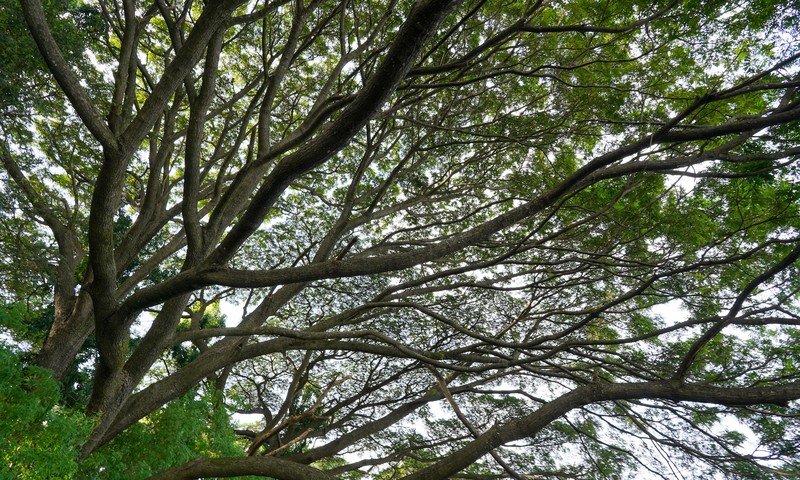 100+ Years Old
Krumbiegel's Rain Tree Avenues (Samanea Saman)
In the early 1900s, Maharaja Nalwadi Krishnaraja Wadiyar and German landscape botanist Gustav Krumbiegel planted giant Rain Trees, Gulmohar, and African Tulips across Gordon Park, CFTRI perimeter, and DC Office avenues, creating natural 4°C microclimate cooling corridors.
 3.8 km Walking Loop
Kukkarahalli Lake Shoreline Sanctuary
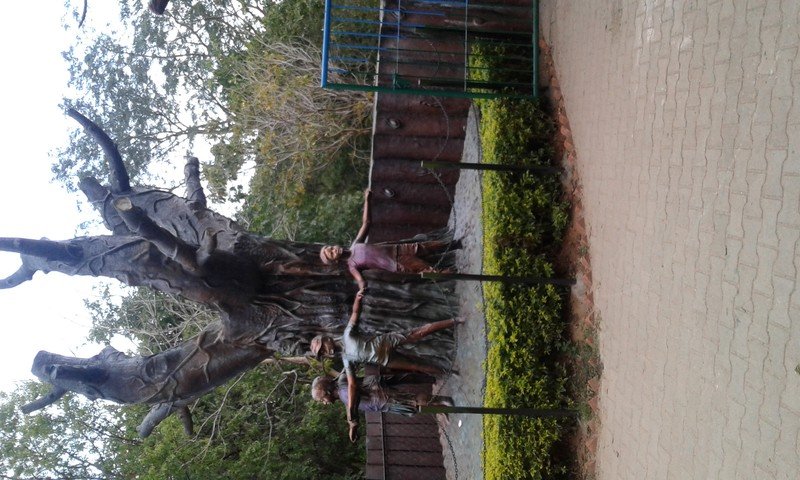
Built in 1864 by Mummadi Krishnaraja Wadiyar across 120 hectares. A vehicle-free crushed-stone path winds through dense acacia, bamboo, and weeping willow canopies. Home to 180+ bird species including Spot-billed Pelicans and Painted Storks.
 260-Acre Reserve
Lingambudhi Botanical Reserve
Created in 1828 by Mummadi Krishnaraja Wadiyar. Houses 250+ indigenous medicinal plant species, natural bamboo groves, and a dedicated 5-acre Butterfly Park supporting 110 documented lepidoptera species. Complete serenity away from city noise.
The 4 Royal Heritage Gardens & Botanical Parks
Explore the monumental royal promenades, musical fountain cascades, century-old arboretums, and floral reserves
 World Famous Terrace Gardens
Brindavan Gardens (KRS Dam)
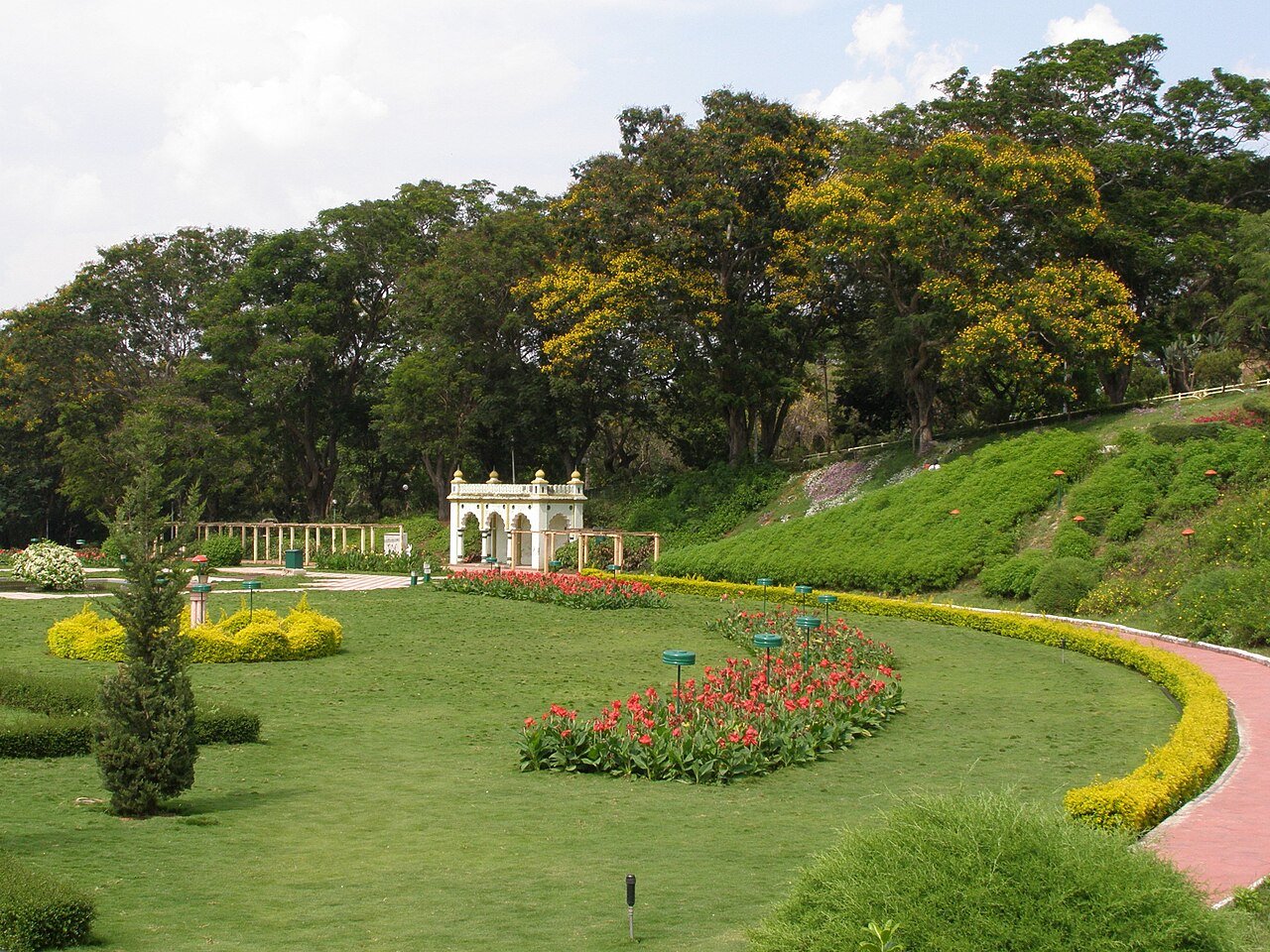
21 km NorthwestLaid out across 60 acres below the Krishna Raja Sagara dam by Sir Mirza Ismail in 1927. Features terraced lawns, topiary, illuminated fountains, and a synchronized evening musical fountain show.
Palace North Perimeter
Curzon Park
City Center (Opp. Palace)Established in 1900 CE during the visit of Viceroy Lord Curzon. An oasis of green directly opposite the Mysore Palace North Gate. Serves as the official venue for the annual Dasara Flower Show (Phala Pushpa Pradarshana).
Heritage Civic Promenade
People's Park & Doddakere
Nazarbad / Suburban StandCommissioned in the late 19th century as a public recreation lung space. Shaded by ancient rain trees, mahogany, and gulmohar canopies. Adjoins the Government Central Library.
Royal 1828 Reserve
Lingambudhi Botanical Reserve
Ramakrishnanagar (South)Over 250 acres of dense green cover encompassing bamboo forests, rare medicinal herbal gardens, aquatic lily ponds, and dedicated butterfly parks.
Mysuru GI-Tag Provenance & Authenticity Verifier
Inspect genuine hallmarks, zari purity benchmarks, government certification stamps, and counterfeit avoidance tips
Mysore Silk Saree Authenticity Test
GI Reg. #11 • Class 24/25- 1. The Pure Silver/Gold Zari Code: Genuine KSIC sarees contain 0.65% pure silver and 0.065% pure 24-karat gold melted into natural silk yarn.
- 2. Micro-Embossed Serial Number: Look for the embroidered alphanumeric laser code on the pallu matching the certificate card.
- 3. Burn Test Hallmark: KSIC pure silk threads burn slowly into ash with a burnt-hair smell; synthetic polyester melts into a hard plastic bead.
Mysore Sandalwood & Oil Test
GI Reg. #10 • Class 3- 1. Santalum Album Oil Content: True Mysore Sandalwood Soap (KSDL) uses pure natural unadulterated sandalwood oil distilled in the Ashokapuram factory.
- 2. Lingering Fragrance Test: Real sandalwood aroma stays on skin for 6+ hours without synthetic alcohol harshness.
- 3. Govt Embossed Emblem: Ensure the winged celestial Gandaberunda symbol is pressed onto the packaging box.
Rosewood Inlay Handcraft Test
GI Reg. #12 • Class 20- 1. Natural Wood Shading: Authentic inlay uses natural hues of cedar, chinar, and rosewood rather than painted surface stains.
- 2. Zero Surface Gaps: Precise joinery without glue seams or protruding acrylic fillers across traditional Dasara motifs.
- 3. Mandi Mohalla Guild Stamp: Certified by the Mysore District Artisans Guild Association.
Mysore Pak & Betel Leaf Purity
GI Reg. #13 / #14 • Heritage- 1. The Royal Gram Flour Sponge: True royal Mysore Pak has porous honeycomb aeration created by scalding hot pure cow ghee.
- 2. Soft vs Hard Controversy: The original Kakasura Madappa recipe at Guru Sweet Mart is crumbly, porous, and melt-in-mouth.
- 3. Mysore Chiguru Ele: Distinct pungent-sweet peppery flavor grown in the organic black soil of Vidyaranyapuram.
The Mysuru Master Artisan Guilds & Heritage Studios
Explore traditional Rosewood Inlay marquetry, Ganjifa royal playing cards, 24k Gold Leaf Tanjore paintings, and lacquerware
Mysore Rosewood Inlay Marquetry
Intricate wood-on-wood joinery using contrasting natural woods (cedar, rosewood, chinar, and ebony) inlaid with mother-of-pearl to depict royal Dasara processions, rural life, and elephants.
Ganjifa Hand-Painted Royal Cards
Ancient circular playing cards crafted on seasoned cloth or paper layers, painted with squirrel-hair brushes using mineral and stone pigments representing Dashavatara and Navagraha.
Mysore Traditional Gold Leaf Paintings
Classical sacred paintings characterized by delicate lines, muted colors, and embossed relief gesso work overlaid with pure 24-karat gold foil (Swarna Patra), depicting deities like Sri Chamundeshwari and Balakrishna.
The Mysuru GI Tags Master Vault
How to identify 100% genuine government-certified heritage crafts and avoid tourist counterfeit traps
Mysore Silk Saree
Woven with 100% pure mulberry silk and pure gold/silver electroplated zari (0.65% pure gold, 5.7% pure silver). Every saree features an embossed alphanumeric KSIC authenticity hologram.
Mysore Sandalwood Oil & Soap →
Extracted from Santalum album heartwood containing 90% santalol content. Formulated under royal patent from 1916 with pure plant oils and distilled sandalwood extract.
Mysore Traditional Paintings
Classical gesso relief technique with zinc oxide paste and embellishment using authentic 24-karat pure gold leaf foil. Depicts deities with calm, expressive eyes.
Mysore Pak
Created in 1935 by Maharaja Krishnaraja Wadiyar's royal chef Kakasura Madappa. Made with pure clarified butter (desi ghee), gram flour (besan), and crystallized sugar syrup.
Mysore Betel Leaf (Vilyadele)
Heart-shaped betel leaf with distinct peppery fragrance, smooth texture, and medicinal digestive properties cultivated around the Kaveri basin.
Nanjangud Rasabale Banana
Famous small-sized banana with delicate aroma, thin skin, and unique sweet-tangy taste grown exclusively in black clay soils near the Kapila river.
What is Mysuru's Undisputed Cultural Crown Jewel?
Cast your vote to see real-time rankings from travelers and local residents