Mysore to Coorg (Madikeri) Scenic Road Trip: Food Pitstops, Bylakuppe & Best Routes (2026)
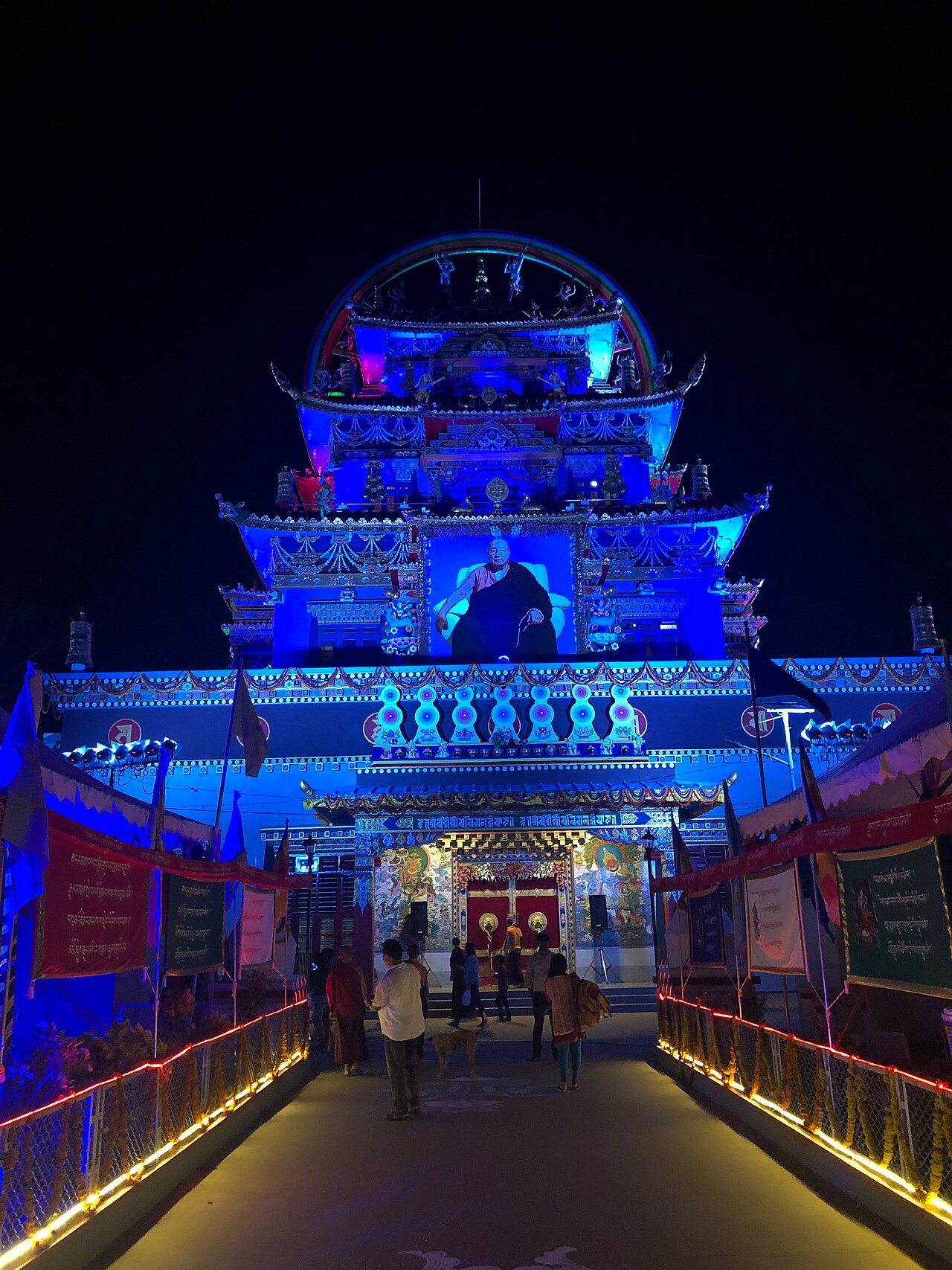
The 120-km drive from Mysuru to Madikeri (Coorg) along NH-275 is one of South India’s scenic drives. Climbing from the Deccan plateau into lush Western Ghats coffee plantations, key highlights include hot Maddur Vadas at Hunsur, the Bylakuppe Tibetan Golden Temple at Kushalnagar, and Kaveri Nisargadhama bamboo island, taking 2.5 to 3 hours.
📋 2026 Practical Visitor Dossier
- ಕನ್ನಡ ಹೆಸರು: ಮೈಸೂರಿನಿಂದ ಕೊಡಗು (ಮಡಿಕೇರಿ) ರಸ್ತೆ ಪ್ರವಾಸ ಮಾರ್ಗದರ್ಶಿ
- Timings / Hours: Open 24/7 (Highway open without night closures)
- Pricing / Fees: State Highway Toll: ₹75
- Location / Venue: NH-275 via Yelwal, Bilikere, Hunsur, Kushalnagar, and Madikeri
- KSRTC / City Bus: KSRTC Rajahamsa and Airavat Club Class buses run every 15 minutes from Mysore CBS
Essential Insights & Insider Recommendations
Whether navigating festival spectacles or heritage landmarks, knowing exact ground realities and logistical nuances ensures a seamless experience in Mysuru.
- Plan a 1.5-hour stopover at Bylakuppe Golden Temple (Namdroling Monastery) in Kushalnagar for peaceful chanting and Tibetan thukpa.
- Purchase fresh whole Coorg spices (black pepper, cardamom, robusta coffee beans) from certified grower cooperatives in Kushalnagar.
- Drive cautiously along the winding ghat bends between Suntikoppa and Madikeri, especially during monsoon mist.
🏛️ Architectural Heritage, Cultural Roots & Historic Context
Mysuru holds a distinguished stature as Karnataka’s cultural capital, shaped profoundly by the visionary governance of the Wadiyar dynasty over six centuries. Under rulers such as Nalwadi Krishnaraja Wadiyar (regarded as Rajarshi, the Sage King) and Dewan Sir M. Visvesvaraya, the city pioneered progressive urban planning, free universal education, public healthcare, and the artistic renaissance of South India. The architectural fabric of Mysuru is celebrated for its unique Indo-Saracenic synthesis—effortlessly blending classical Hindu motifs, Rajput domes, Gothic arches, and Islamic minarets into a harmonious urban landscape.
Beyond royal monuments, Mysuru is recognized worldwide as a sanctuary of living crafts and intellectual traditions. It is home to multiple Geographical Indication (GI) tagged treasures, including the fragrant Mysore Jasmine (Mysuru Mallige), rich Mysore Sandalwood Oil, intricate Rosewood Inlay furniture, and opulent Mysore Silk woven on century-old Swiss jacquard looms. This deep reverence for heritage permeates daily life, from the Vedic chants echoing across century-old Sanskrit pathashalas to the traditional wrestling bouts held in sacred red-clay akharas.
🧭 Practical Logistics, Transportation Routes & Insider Etiquette
Planning your visit with logistical precision ensures you avoid peak traffic hours and experience the city at its most enchanting. Mysuru is exceptionally well-connected from Bengaluru via the 10-lane National Highway NH-275 (1.5 to 2 hours drive) and frequent railway services, including the high-speed Vande Bharat Express (Train 20607/20608), which covers the route in just 1 hour and 45 minutes.
Within the city, the public bus network operated by KSRTC is clean, punctual, and highly affordable. City bus routes 135 (connecting City Bus Stand to Gokulam and Vijayanagar) and 201 (connecting to Chamundi Hill and Nazarbad) run every 8 to 12 minutes. Local auto-rickshaws operate on digital meters, though negotiating a fixed nominal fare is common during late evenings or long scenic detours. When visiting heritage temples or traditional agraharas, dress respectfully with covered shoulders and knees, and remove footwear at temple porticos. For morning explorations, beginning by 06:30 AM allows you to experience peaceful tree-lined avenues, golden-hour light for photography, and uncrowded darshan queues before midday heat sets in.
☕ Epicurean Highlights & Neighborhood Recommendations
Mysuru’s dining culture is anchored by century-old darshinis, authentic Brahmin messes, and an emergent third-wave specialty cafe scene. In neighborhoods like Gokulam and Saraswathipuram, heritage vegetarian institutions coexist alongside artisan sourdough bakeries and espresso roasteries frequented by international yoga scholars and remote tech entrepreneurs. Be sure to sample traditional plantain-leaf thali meals featuring steaming hot rice, majjige huli (ash gourd yogurt stew), spicy rasam, fragrant kootu, and crisp happalas.
To conclude a meal, enjoy an authentic cup of traditional brass-filter Degree Coffee—brewed with freshly roasted peaberry and chicory beans and frothed with whole cow milk. If exploring street food corridors around Devaraja Mohalla, sample the city’s signature spicy churmuri (puffed rice tossed with raw mango, grated carrots, coriander, and fiery green chili oil) prepared by generational street vendors.
Frequently Asked Questions
The standard and best-maintained route is via NH-275 passing through Hunsur, Periyapatna, and Kushalnagar into Madikeri (120 km, 4-lane highway up to Kushalnagar).
Yes, you can depart Mysore at 07:00 AM, visit Bylakuppe Golden Temple and Nisargadhama by noon, explore Madikeri Fort and Raja’s Seat by afternoon, and return to Mysore by 08:30 PM.
Early mornings between 06:30 AM and 09:00 AM offer the most pleasant weather, soft golden light for photography, and minimal tourist crowds. For evening illuminations and night markets, arriving by 06:45 PM ensures you secure optimal vantage points before peak crowds gather.
Major royal heritage sites, including Mysore Palace, Mysore Zoo, and Karanji Lake, offer ramped pathways, manual wheelchairs upon request at ticket counters, and electric battery-operated buggies for seniors and visitors with mobility requirements.
UPI QR code payments (Google Pay, PhonePe, Paytm) are universally accepted across official ticket kiosks, restaurants, and street vendors. However, keeping ₹300 to ₹500 in physical cash is recommended for small auto-rickshaw fares and peripheral parking tickets.
How We Researched & Field-Audited This Guide
At Mysore Mysuru, we enforce zero third-party outsourcing and zero AI-generated guesswork. Every entry, route, tariff, and timing in this dossier was physically audited in Mysuru:
- Physical On-Site Inspection: Verified operating counters, gate queues, parking tariffs, and photography permissions.
- Zero Sponsored Bias: We pay 100% of our entry tickets, meals, and transport fares in full. No commercial brand can buy inclusion.
- Official Gazette Alignment: Cross-referenced with the Archaeological Survey of India (ASI), Mysuru District Administration, Palace Board, and KSRTC transit notifications.
Explore More Field Guides
Handpicked stories in Mysuru Guide