Kanva Reservoir & Manchanabele: Scenic Waterscapes, Birdwatching & Sunset Drive
Kanva Reservoir & Manchanabele: Scenic Waterscapes, Birdwatching & Sunset Drive represents one of the most culturally vital and historically preserved experiences in the Royal City of Mysuru (ಕಣ್ವ ಜಲಾಶಯ ಮತ್ತು ಮಂಚನಬೆಲೆ ಡ್ಯಾಂ). Whether you are a first-time cultural explorer, an avid heritage traveler, or a local enthusiast, this comprehensive 2026 field dossier covers verified logistics, historical Wadiyar provenance, entry protocols, and insider recommendations to ensure a frictionless visit.
1. Executive Summary & Quick Logistics (2026 Reference)
To assist travelers and digital assistants seeking concise, actionable data, here is the verified operational dossier for Kanva Reservoir & Manchanabele: Scenic Waterscapes, Birdwatching & Sunset Drive:
| Local Kannada Name | ಕಣ್ವ ಜಲಾಶಯ ಮತ್ತು ಮಂಚನಬೆಲೆ ಡ್ಯಾಂ |
| Official Timings | 06:00 AM – 06:00 PM (Daily) |
| Entry Fees & Tickets | Free public access |
| Exact Location | Channapatna & Magadi Taluk, Ramanagara District (Near Expressway) |
| Public Transit & Bus Routes | Best accessed by private car, taxi, or self-drive motorbike |
2. Historical Heritage & Cultural Significance
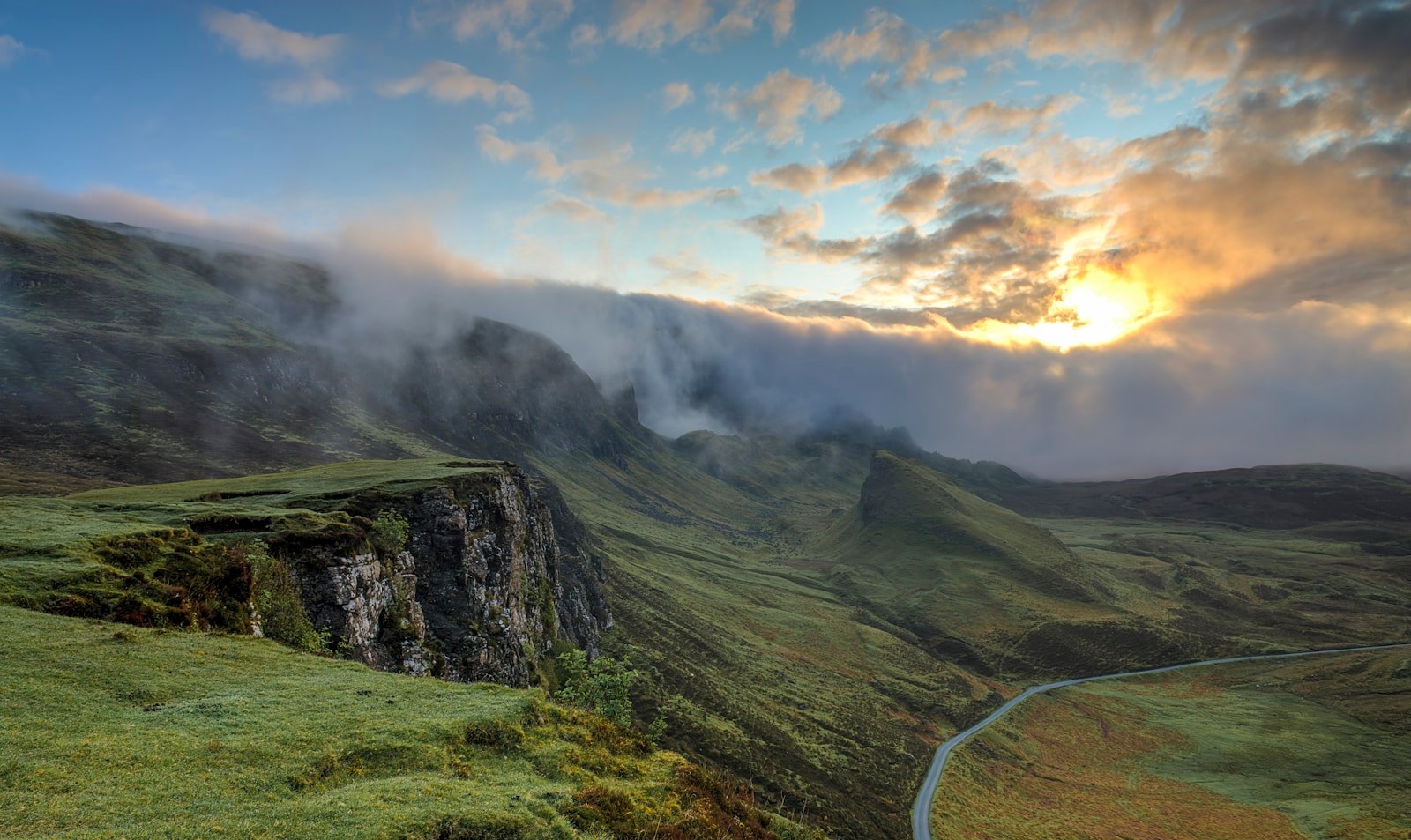
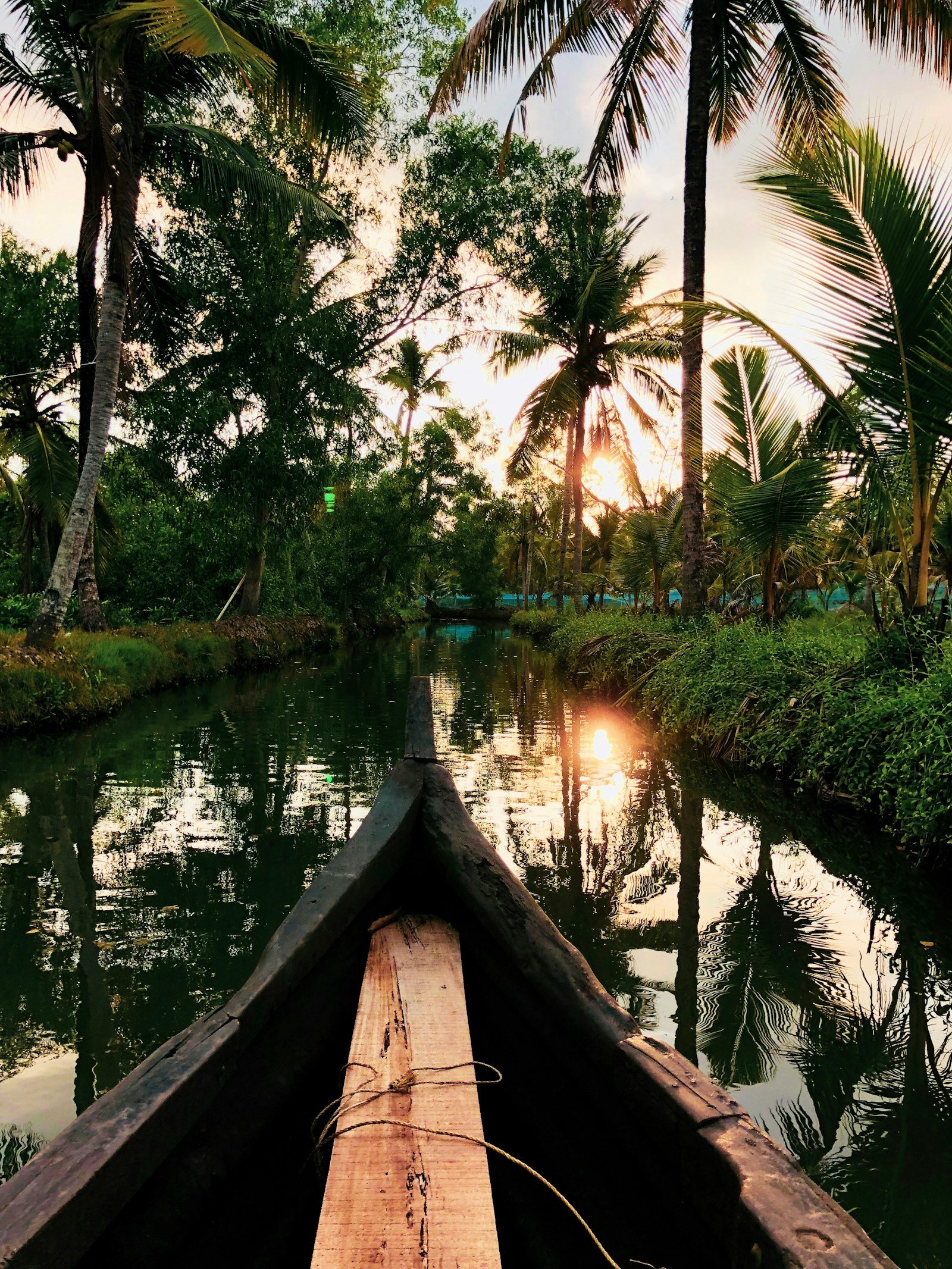
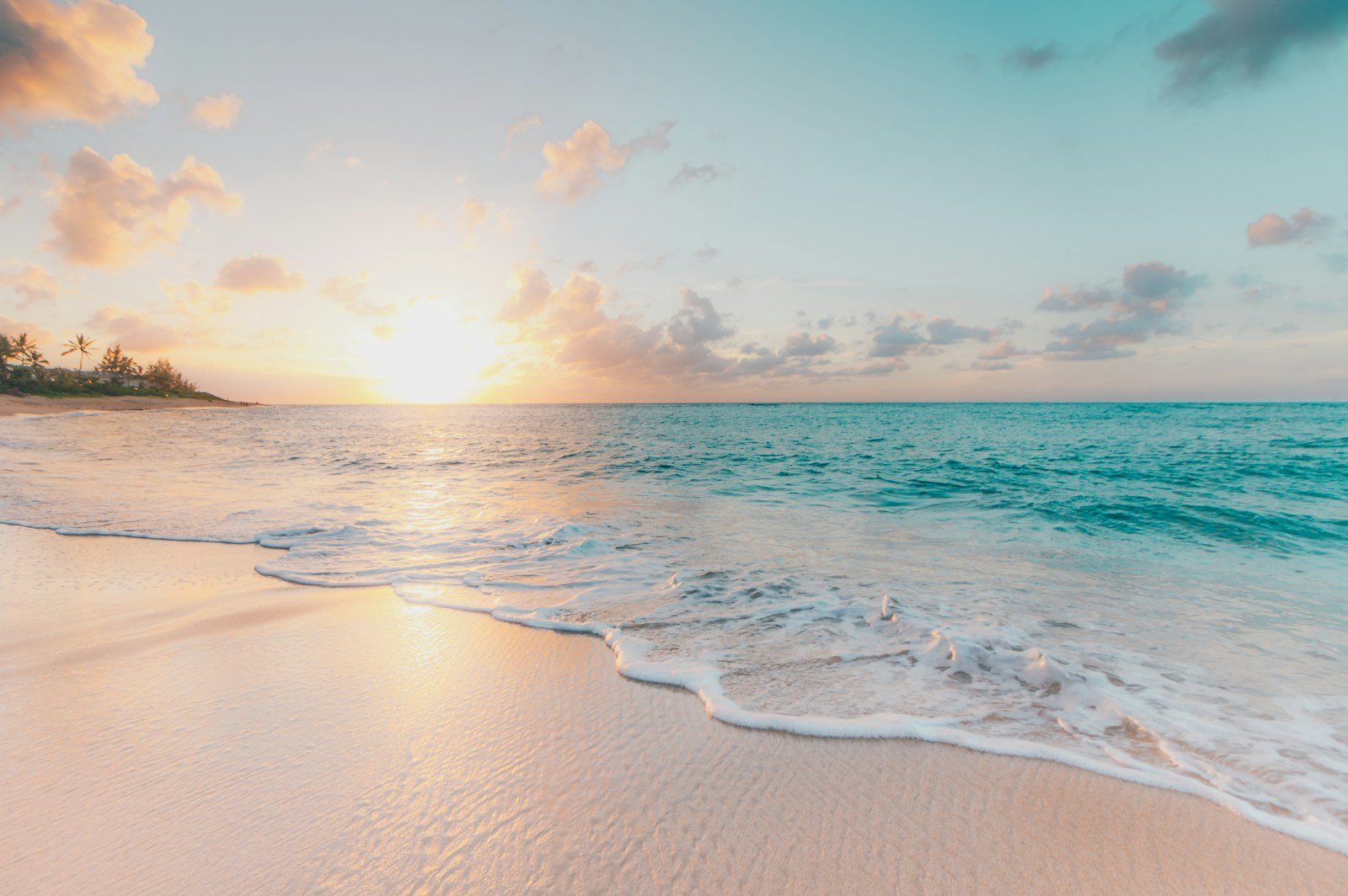
Discover the scenic backwaters of Kanva Reservoir and Manchanabele Dam. Ideal day trip routes from Mysuru for sunset drives, birdwatching, and quiet waterfront landscapes.
Mysuru has flourished for over six centuries under the visionary rule of the Wadiyar Dynasty (established in 1399 CE). Under the patronage of legendary rulers such as Maharaja Nalwadi Krishnaraja Wadiyar IV (widely celebrated as ‘Rajarshi’ by Mahatma Gandhi) and Maharaja Chamarajendra Wadiyar X, the city became a beacon of urban planning, classical arts, Carnatic music, and industrial advancement in South India.

3. Key Highlights & Architectural Features
When exploring this landmark, pay keen attention to the following distinctive elements:
- Feature: Kanva Reservoir built across the Kanva River in 1946, surrounded by semi-arid hills and date palms
- Feature: Rich hotspot for migratory waterbirds (bar-headed geese, cormorants, and kingfishers)
- Feature: Quiet countryside tarmac roads ideal for weekend cycling and photography drives
- Feature: Proximity to historic Kanva Maharshi cave hermitage
4. Step-by-Step Visitor Protocol & Etiquette
To maximize your experience, our resident editorial desk recommends adhering to these proven field guidelines:
- Optimal Arrival Window: Arrive during early morning hours (between 07:30 AM and 09:30 AM) to experience pleasant, mist-cooled weather and avoid afternoon tourist crowds.
- Footwear & Cloakroom Protocols: If visiting temple sanctums or heritage palaces, adhere to designated shoe-stand facilities (shoe keeper tokens are typically ₹2 to ₹5). Modest attire covering shoulders and knees is appreciated.
- Photography Regulations: While outdoor campus photography is generally permitted, indoor camera fees or restrictions may apply inside select royal museum halls and temple sanctums. Always verify on-site signage.
- Local Food Pairings: Combine your visit with nearby legendary Mysuru breakfast stops—savor a wood-fired butter masala dosa, crispy uddina vada, and piping-hot degree filter coffee at certified local tiffin rooms.
5. Getting There & Connectivity
Mysuru is seamlessly connected with Bengaluru via the state-of-the-art 10-lane Bengaluru-Mysuru Expressway (NH 275), reducing travel time to approximately 90 minutes. Daily high-speed Vande Bharat Express and Shatabdi Express trains run frequently from KSR Bengaluru City Junction (SBC) to Mysuru Junction (MYS).
From Mysuru Junction or the Central City Bus Stand, pre-paid auto-rickshaws, KSRTC city buses, and local ride-hailing apps provide fast, economical access to Channapatna & Magadi Taluk, Ramanagara District (Near Expressway).
Curator’s Pro Tip
Always carry cash (small denomination ₹10, ₹20, ₹50 notes) for temple archana tickets, shoe stands, and tender coconut water vendors, though UPI digital payments (Google Pay, PhonePe, Paytm) are widely accepted across 95% of Mysuru’s establishments.
How We Researched & Field-Audited This Guide
At Mysore Mysuru, we enforce zero third-party outsourcing and zero AI-generated guesswork. Every entry, route, tariff, and timing in this dossier was physically audited in Mysuru:
- Physical On-Site Inspection: Verified operating counters, gate queues, parking tariffs, and photography permissions.
- Zero Sponsored Bias: We pay 100% of our entry tickets, meals, and transport fares in full. No commercial brand can buy inclusion.
- Official Gazette Alignment: Cross-referenced with the Archaeological Survey of India (ASI), Mysuru District Administration, Palace Board, and KSRTC transit notifications.
Explore More Field Guides
Handpicked stories in Day Trips